Are Dental Implants Right for You? Key Facts to Consider

Losing a tooth changes more than a smile. It can alter the way you chew, the way you speak, and, over time, even the shape of your face. Some people adapt quickly and carry on with little trouble. Others notice every missing space, especially when the gap sits in a visible area or affects a back tooth that did more work than they realized. When patients begin asking about Dental Implants, they are usually weighing more than appearance. They want to know whether the treatment is reliable, whether it will hurt, how long it lasts, and whether it is worth the money.
Those are the right questions. Dental implants can be an excellent solution, but they are not automatically the best choice for every person or every situation. The decision depends on bone health, gum condition, general medical history, budget, time, and expectations. It also depends on something less technical but just as important, whether you want a fixed, long-term replacement Dental Implants enough to go through a treatment process that unfolds over months rather than days.
What a dental implant actually is
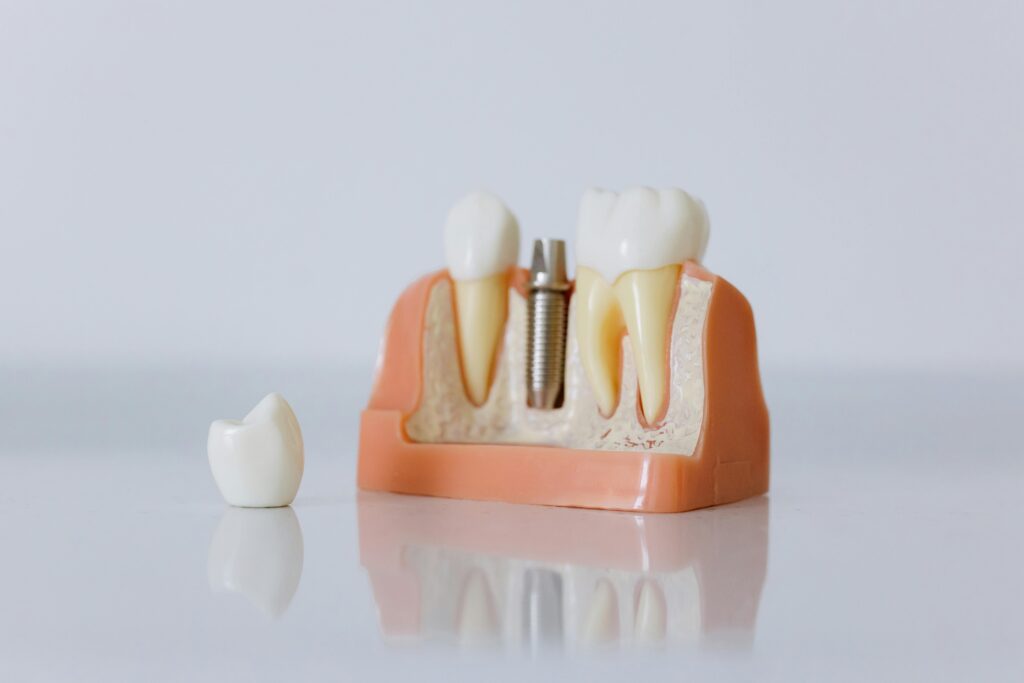
A dental implant is not the visible tooth itself. It is the small post, usually made of titanium, that is placed into the jawbone to act as an artificial tooth root. After healing, that post supports the final restoration, which may be a crown for one missing tooth, a bridge for several missing teeth, or even a full-arch prosthesis in more complex cases.
That distinction matters because many people picture the treatment as a simple swap, bad tooth out, implant in, finished. In practice, implant dentistry is a staged process. The implant must integrate with the bone, the gum tissue must heal well, and the final tooth must be designed so it looks natural and handles force correctly. Good implant work is both surgical and restorative. The mechanics matter, but the finish matters too.
When treatment goes well, an implant-supported tooth can feel remarkably close to a natural tooth in day-to-day function. Patients often describe the biggest difference in simple terms: it does not move. Unlike a removable appliance, a properly restored implant stays put when you chew, laugh, or talk. That stability is one reason implants are so appealing.
Why people choose implants over other options
Traditional bridges and removable partial dentures still have a place in dentistry. They can be appropriate, effective, and sometimes preferable. But implants offer a few advantages that explain their popularity.
An implant can replace a single tooth without grinding down the healthy teeth next to it, which is often necessary with a conventional bridge. It can also help preserve the jawbone in the area of the missing tooth. Bone tends to shrink over time after a tooth is lost because the body no longer receives the same stimulation through the root. An implant helps restore some of that function.
For patients missing several teeth, implants may improve chewing power and comfort significantly. For patients with loose lower dentures, even a small number of strategically placed implants can make a dramatic difference in stability. I have seen people who had avoided apples, crusty bread, and steak for years return to those foods once their implant-supported restoration was complete. That kind of practical improvement often matters more than any cosmetic benefit.
Still, advantages only count when the case is chosen well. Implants are not magic. They succeed because of careful planning, healthy tissue, and good maintenance.
The first question is not "Do implants work?" But "Are you a good candidate?"
Most healthy adults can at least be evaluated for implants, but candidacy is not based on age alone. A fit seventy-five-year-old with good bone and controlled medical conditions may be a better candidate than a forty-year-old smoker with advanced gum disease and poor oral hygiene.
Dentists and specialists usually look at several factors at the beginning:
- the condition of your gums and whether active periodontal disease is present
- the amount and quality of bone at the implant site
- medical issues such as uncontrolled diabetes, immune compromise, or medications that affect healing
- tobacco use, including cigarettes and sometimes vaping
- your willingness to maintain meticulous home care and attend follow-up visits
None of these points automatically rules out treatment in every case. They shape the conversation. Controlled diabetes is very different from uncontrolled diabetes. A former smoker is different from a pack-a-day smoker. Mild bone loss is different from a ridge that has been shrinking for ten years.
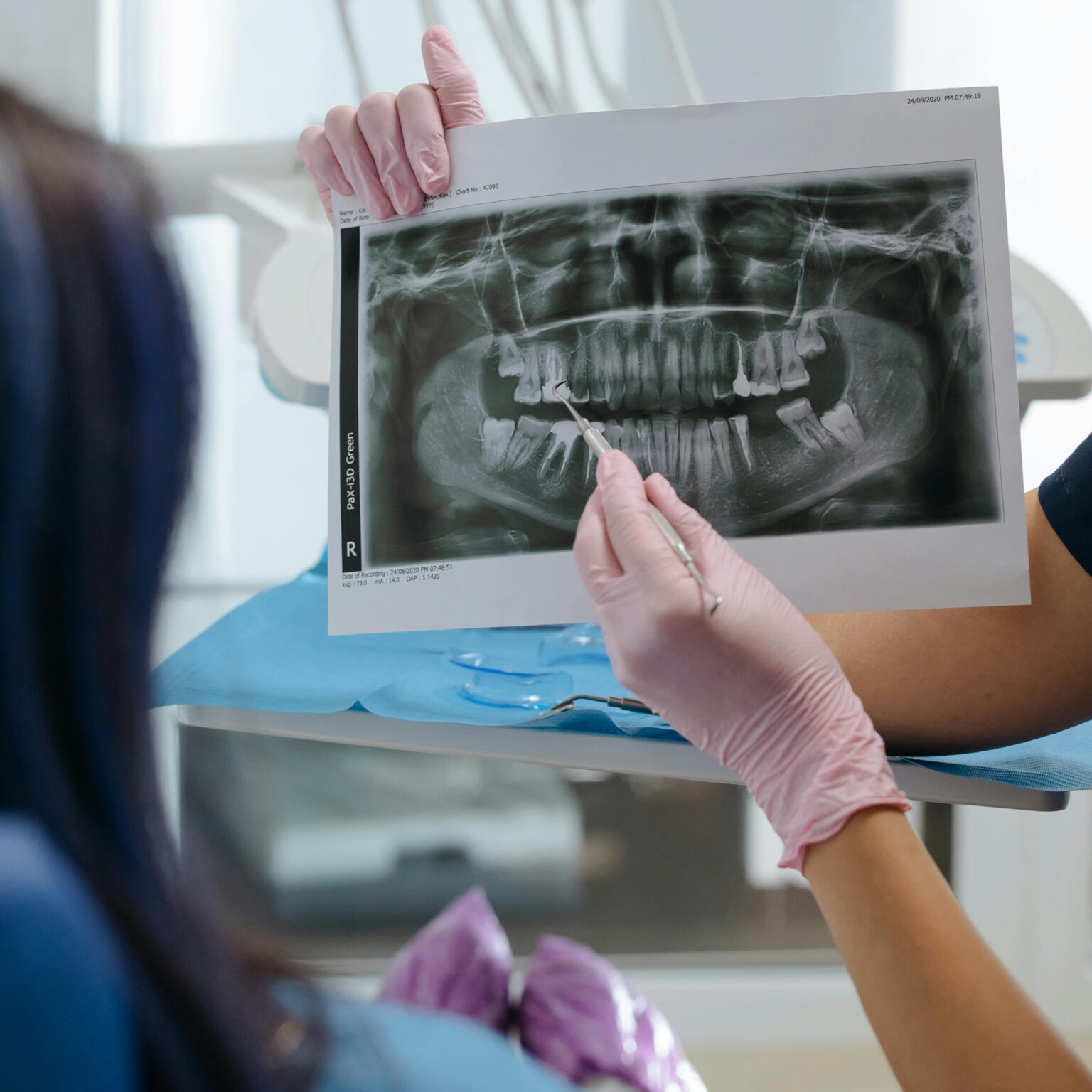
This is why a proper implant consultation is more than a quick look in the mouth. It often includes radiographs and, in many offices, a cone beam CT scan to assess bone volume and anatomy in three dimensions. Without that information, any discussion of timing, risk, or cost is only a rough estimate.
Bone, gums, and the hidden foundation
The visible crown is what most people focus on, but implants succeed or fail at the level of bone and soft tissue. If the foundation is poor, the nicest-looking crown in the world will not save the result.
Bone quality matters because the implant needs enough support to become stable. In the upper back jaw, for example, the bone can be softer and the sinus may limit available height. In the lower jaw, density may be better, but nerve anatomy becomes critically important. A narrow ridge may require bone grafting before or during implant placement. A site that lost a tooth recently may be easier to manage than a site that has been empty for years.
Gums matter just as much. Inflamed, unhealthy gums around an implant create long-term problems. One of the most common misunderstandings is the idea that because an implant is made of metal and ceramic, it cannot get "diseased" the way a natural tooth can. The implant itself does not decay, but the tissues around it can absolutely become inflamed or infected. Peri-implant mucositis and peri-implantitis are real complications, and they can lead to bone loss around the implant.
This is one reason patients with a history of gum disease need especially careful monitoring. Past periodontal problems do not always prevent implants, but they do raise the importance of maintenance.
Timing is rarely as quick as advertisements suggest
Marketing often compresses months of treatment into a single phrase. Same-day teeth, immediate implants, and fast smiles all have a place in modern dentistry, but they do not describe every case, and they do not mean healing can be skipped.
If a tooth is removed and an implant is placed the same day, that can be a very efficient approach when infection is controlled, bone anatomy is favorable, and primary stability is strong. But immediate placement is technique-sensitive. It is not simply faster dentistry. In some patients, waiting for the site to heal first produces a more predictable result.
A straightforward single implant often unfolds over several months. The tooth may be extracted, the site may need grafting, then healing follows. Implant placement comes next, followed by another healing phase while the bone integrates. Only after that is the final crown completed. In certain healthy, well-selected cases, a temporary tooth can be placed earlier. In other cases, patience protects the outcome.
This slower timeline frustrates some people at first. Yet it is often a sign that the treatment plan is being tailored carefully rather than rushed.
Cost is not just about the implant post
When patients hear a quoted implant fee from a billboard or a mailer, they are often comparing unlike things. The total cost of Dental Implants typically includes more than the implant itself. Imaging, extraction, grafting, implant placement, abutment, temporary restoration, and final crown may be priced separately or bundled differently depending on the office.
That variation can make one estimate look dramatically lower than another even when the final total is similar. It can also hide important omissions. A low advertised number may not include the restoration that sits on the implant, which is the part you actually chew with.
Cost also reflects complexity. Replacing one front tooth in an esthetic area can require more planning and artistry than replacing a back tooth that is less visible. Cases involving sinus lifts, ridge augmentation, or full-arch rehabilitation sit in a different category entirely.
For many patients, the more useful question is not "What is the cheapest implant?" But "What am I paying for, and how durable is the plan?" Dentistry that must be redone is rarely economical.
Pain, recovery, and what the experience is usually like
Fear of pain keeps some people from even scheduling a consultation. The reality is usually less dramatic than expected. Implant placement is a surgical procedure, so some discomfort is normal, but many patients report that it was easier than the tooth extraction that came before it.
Local anesthesia is typically very effective. Sedation may be available for anxious patients or more involved cases. After surgery, soreness, swelling, and bruising vary by person and by the amount of work done. A single uncomplicated implant often leads to a few manageable days of recovery. Multiple implants, grafting, or full-arch surgery can involve a more substantial healing period.
The first week matters. Following instructions on medication, oral hygiene, diet, and activity can make a clear difference in comfort and healing. Soft foods are often recommended at first, especially if a temporary restoration is in place. People who feel well after a day or two sometimes assume they can chew normally right away. That is one of the easiest ways to disturb healing.
A brief practical comparison helps set expectations:
| Situation | Typical recovery pattern | | --- | --- | | Single implant, no major graft | Mild to moderate soreness for a few days, often manageable with routine medication | | Implant with bone graft | More swelling and a longer healing timeline before the final crown | | Full-arch implant case | Greater initial recovery demands, but often a major improvement in long-term function | | Front tooth implant | Physical recovery may be straightforward, but esthetic details often require more planning and patience |
These are broad patterns, not guarantees. Two patients can have the same procedure and describe very different recoveries.
Success rates are high, but "high" does not mean "permanent without effort"
Dental implants have strong long-term success when cases are properly selected and maintained. That is one reason they are considered a standard of care in many situations. But success is not automatic, and it is not permanent by default.
Early failure can happen if the implant does not integrate with bone. Late failure can occur because of overload, poor hygiene, inflammation, smoking, untreated grinding, or systemic factors that compromise healing. Sometimes the implant remains stable but the crown on top needs maintenance or replacement over time. Screws can loosen. Porcelain can chip. Bite forces can change.
Patients are often surprised to learn that a crown on an implant may not last as long as the implant fixture itself. The support structure and the visible restoration live under different kinds of stress. That distinction is normal, not a sign that something went wrong.
Nighttime grinding deserves special mention. A patient with strong clenching habits can place enormous force on an implant restoration, especially in the back of the mouth. A custom night guard can be a very sensible investment in those cases.
Situations where another option may make more sense
Not every missing tooth needs an implant, and not every patient wants one. A removable partial denture can still be a practical answer when budget is tight or surgery is not desirable. A fixed bridge may be reasonable if neighboring teeth already need crowns. Some patients, particularly those with significant medical issues, may decide that the procedural burden is simply not worth it.
There are also cases where the esthetic risk is high enough that expectations need very careful management. A single implant in the front of the upper jaw is one of the most demanding situations in dentistry. Tiny changes in gum contour or bone level can affect appearance. Patients sometimes assume one front tooth is the easiest case because it sounds small. In reality, it can be one of the hardest to make look truly natural.
The best treatment is the one that fits the biology, the finances, and the person sitting in the chair. An implant is often excellent, but "best" is never a one-size label.
Questions worth asking at your consultation
A strong consultation should leave you better informed, not pressured. If you are considering implants, it helps to ask direct, practical questions. Good clinicians usually welcome them because informed patients make better decisions and tend to be happier with the process.
Here are a few that matter:
- Am I a candidate now, or do my gums or bone need treatment first?
- What parts of the fee are included, and what might add cost later?
- Will I need grafting, a temporary tooth, or multiple stages of treatment?
- What risks are specific to my case, not just implants in general?
- How will I clean and maintain the final restoration at home?
Those questions often reveal more than a generic sales pitch ever could. They also help you compare treatment plans intelligently if you seek a second opinion.
The maintenance piece many patients underestimate
One of the more common mistakes is thinking implants are maintenance-free because they cannot get cavities. That line of thinking causes trouble. Implants still require daily cleaning and professional maintenance. In some ways, they require more disciplined care because inflammation around implants can progress quietly.
The exact cleaning method depends on the restoration design. A single implant crown may require careful flossing or an interdental brush. A bridge or full-arch prosthesis may need special threaders, water irrigation devices, or hygiene appointments on a customized schedule. What matters is not using every gadget on the market. What matters is using the right method consistently.
Patients who have had repeated trouble keeping natural teeth clean should pause and take that seriously before proceeding with implants. The issue is not blame. It is fit. If home care has been a long-running challenge, the solution should include honest discussion about whether the maintenance demands of implants are realistic.
Age, health, and lifestyle all shape the answer
People often ask if they are too old for implants. In many cases, age is less important than overall health and healing capacity. I have seen older adults do very well with implant treatment because they were motivated, organized, and in stable health. On the other hand, younger patients can face setbacks when smoking, uncontrolled disease, or inconsistent attendance undermines healing.
Lifestyle matters more than many realize. Frequent travel, a chaotic schedule, or long delays between visits can complicate treatment. So can habits like heavy smoking or untreated grinding. Even diet can matter during healing when temporary chewing restrictions are important.
This is where clinical judgment becomes personal. A treatment plan that is technically possible is not always the same as a treatment plan that is wise for a specific patient at a specific time.
What usually predicts satisfaction
Patients tend to be happiest with Dental Implants when three things line up. First, the case is planned conservatively and executed well. Second, the patient understands the timeline, cost, and maintenance before treatment begins. Third, the final result solves a real problem, better chewing, better comfort, better confidence, or all three.
Dissatisfaction usually grows from mismatched expectations. Someone expecting a single-visit miracle may be discouraged by grafting and waiting. Someone focused only on cost may be upset by the maintenance or the need for a future crown replacement. Someone who was never told about esthetic limitations may fixate on minor asymmetry in the gums.
The better the communication upfront, the fewer surprises later.
So, are implants right for you?
That answer should come from a careful exam, clear imaging, and a thoughtful discussion of alternatives. For many people, implants are the closest thing modern dentistry has to replacing a missing tooth in a durable, functional, natural-feeling way. They can restore biting power, preserve bone, and make daily life easier in ways that patients notice immediately once treatment is complete.
But they are still surgery. They require healing time, skilled planning, financial commitment, and long-term upkeep. They are an investment, not just a procedure.
If you are considering Dental Implants, the smartest next step is not to chase the fastest ad or the lowest headline price. It is to get a thorough consultation and understand your own case in detail. Once you know the condition of your bone and gums, the likely timeline, the true cost, and the maintenance requirements, the decision usually becomes much clearer. For the right patient, that clarity often leads to one of the most satisfying treatments dentistry can offer.
Oaks Dental
5000 Parkway Calabasas Suite 308
Calabasas, CA 91302, United States
+1 818-431-2000
FAQ About Dental Implants
What is the downside of a dental implant?
Implants require surgery and a healing period that can last several months. Possible complications include infection, nerve or sinus injury, damage to nearby teeth and failure to bond with bone. Your dentist should assess your health, bone support and alternatives before recommending treatment.
What do dental implants typically cost?
There is no single price for every implant case. The number of teeth replaced, implant components, final restoration and any grafting or extractions affect the total. Request a written estimate covering every stage and confirm insurance benefits and out-of-pocket costs with the practice.
How long do tooth implants last?
An implant can provide long-term support and may last a lifetime with good oral hygiene and regular dental care, but this is not guaranteed. The crown or other restoration may need replacement sooner. Smoking, gum disease and some health conditions can reduce implant success.
Ends · EDUARDOFHHW638