Dental Implants Calabasas CA for Replacing Broken Teeth
A broken tooth changes more than a smile. It affects how you chew, how clearly you speak, and often how comfortable you feel in everyday conversation. In practice, many patients do not come in saying, “I need an implant.” They come in saying they cracked a molar on a popcorn kernel, broke an old crown at dinner, or finally reached the point where a tooth that had been patched for years could no longer be saved. That is usually where the real conversation begins.
For patients exploring Dental Implants Calabasas CA, the key question is rarely just whether implants are available. The more important issue is whether an implant is the right solution for a specific broken tooth, in a specific mouth, with a specific history. A front tooth fractured at the gumline poses one set of challenges. A back molar with a vertical root fracture presents another. Someone with dense, healthy bone at age 35 is a different case from someone in their late 60s who has worn a failing bridge for years.
Dental implants can be an excellent way to replace broken teeth, but they are not a one size fits all answer. Good treatment planning matters more than marketing language, and long term success depends on details that patients often do not hear during a rushed consultation.
When a broken tooth can no longer be saved
Dentists always prefer to preserve a natural tooth when it is predictable to do so. A cracked cusp can often be restored. A fractured tooth with enough healthy remaining structure may be treated with a crown. In some cases, root canal treatment plus a well-designed restoration gives a patient many more years with the original tooth.
The situation changes when the damage extends too far below the gumline, when the root is fractured, or when repeated repairs have left too little sound tooth structure to support another restoration. At that stage, keeping the tooth can become more expensive, less comfortable, and less reliable than replacing it.
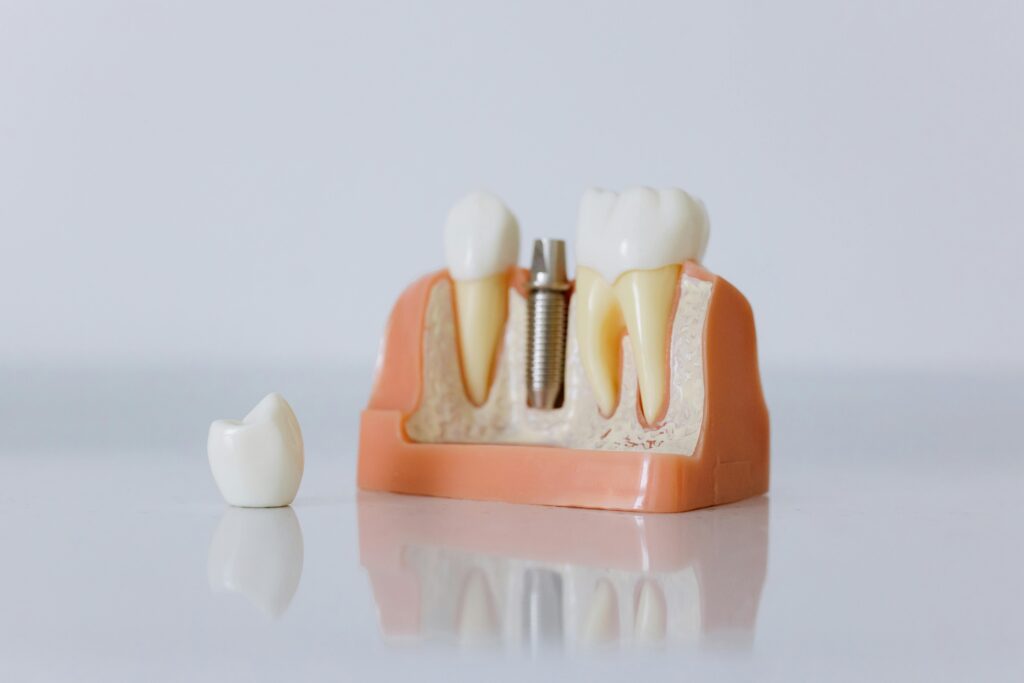
This is where implants often enter the conversation. An implant replaces the root of the tooth with a titanium post placed in the jawbone. After healing, that post supports a custom crown designed to function like a natural tooth. In a healthy mouth with good planning, the result can feel remarkably stable.
Patients are sometimes surprised to learn that the broken portion they can see is only part of the story. A tooth may look modestly damaged above the gums but be hopeless below. I have seen molars split in a way that allowed patients to chew on them for months, even though the prognosis was already poor. The reverse is also true. A dramatic-looking fracture in a visible front tooth can occasionally be restored if the root and surrounding bone remain healthy.
Why implants are often the strongest option after tooth loss
When a tooth is removed and not replaced, the surrounding system starts to shift. Adjacent teeth can drift. The opposing tooth can over-erupt. Bone in the area begins to resorb because it is no longer being stimulated by a tooth root. That process is gradual, but it is real, and over time it can make future treatment more complicated.
An Dental Implants Calabasas CA implant helps in several ways. It stands on its own, so it does not rely on neighboring teeth for support the way a traditional bridge does. That means healthy adjacent teeth usually do not need to be ground down. It also transmits chewing forces into the jawbone, which helps preserve bone volume better than leaving the space empty.
For broken back teeth, especially single molars, implants are often one of the most durable replacements available. Back teeth absorb heavy force, and a single implant crown can restore that area without connecting it to another tooth. For front teeth, the discussion becomes even more nuanced because appearance, gum contour, and symmetry with the opposite tooth all matter deeply. In esthetic zones, experience and careful timing are especially important.
That said, implants are not “better” in every sense for every patient. They usually take longer than a bridge, cost more upfront, and require surgery. Some people prefer alternatives because of budget, timelines, medical history, or personal comfort. Good dentistry involves making the best choice for the individual, not simply defaulting to the most advanced sounding option.
What makes someone a good candidate
The phrase “good candidate” gets used casually, but it covers several separate issues. First is bone. An implant needs enough height and width of bone to be placed in a stable position. Second is gum health. Active periodontal disease can undermine implant outcomes if it is not addressed first. Third is the bite. Some patients clench or grind heavily, and that changes how an implant crown should be designed and protected.
General health matters too. Conditions such as uncontrolled diabetes, heavy smoking, certain immune disorders, and a history of radiation to the jaws can affect healing and long term success. None of these automatically rule implants out, but they do shift the risk profile and may change the treatment approach.
Age by itself is rarely the deciding factor. I have seen healthy older adults do very well with implants, while younger patients with neglected periodontal disease had far less favorable conditions. What matters is the quality of the bone and gums, the health history, and whether the patient is willing to maintain the implant properly after treatment.
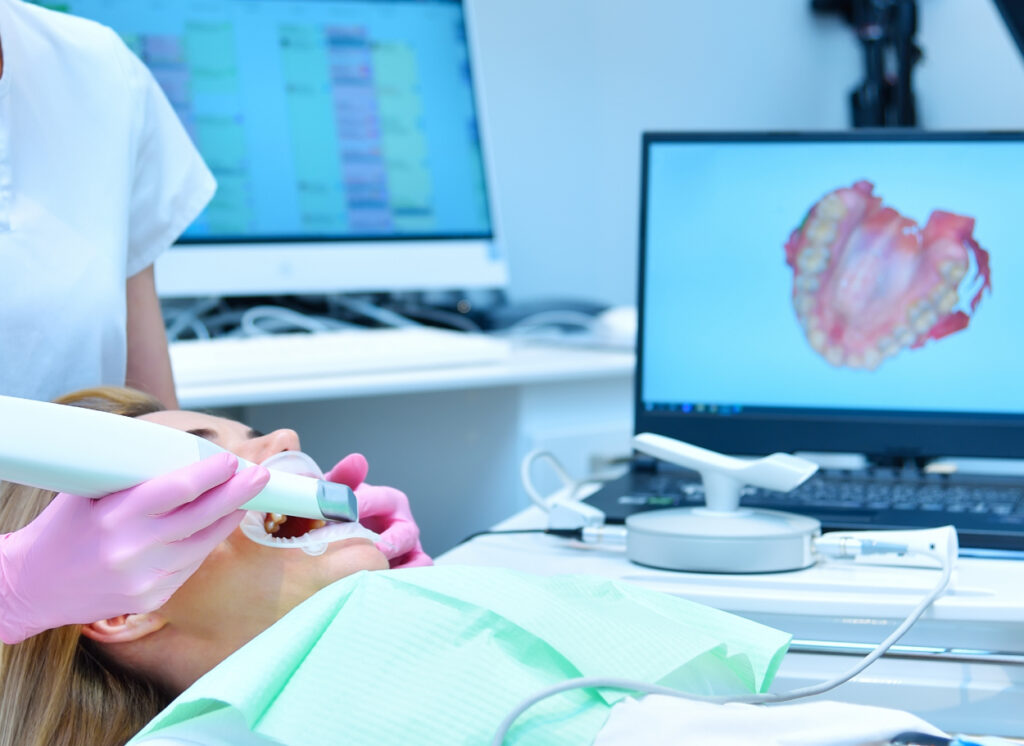
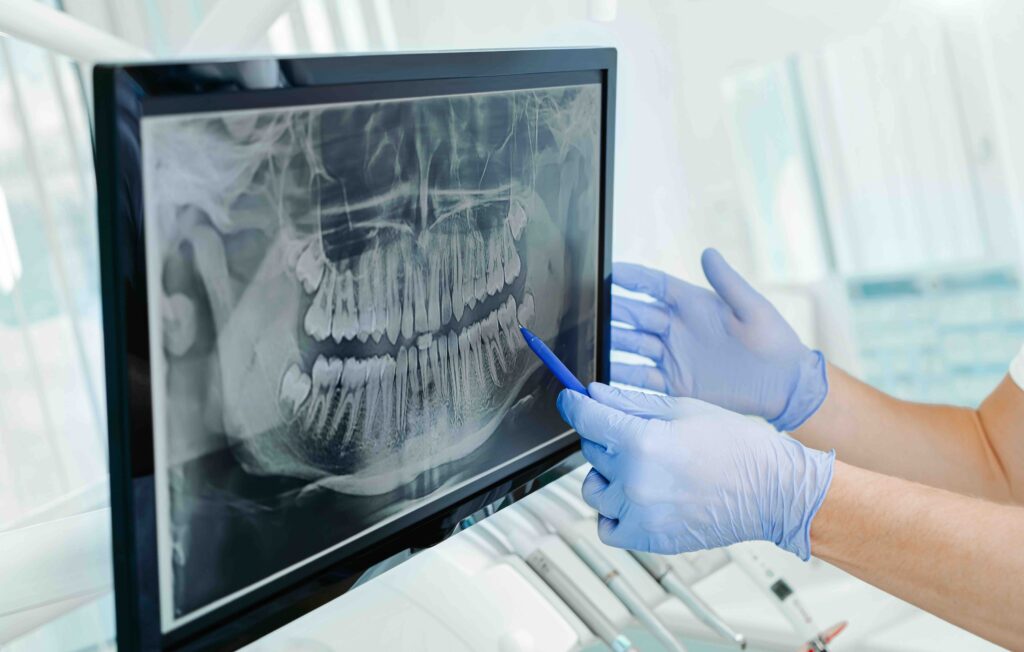
A strong diagnostic workup usually includes a clinical exam, current radiographs, and often a three-dimensional scan. The scan is especially useful because it shows bone anatomy, sinus position in the upper back jaw, and the location of important nerves in the lower jaw. It also helps determine whether immediate implant placement is realistic or whether the site should heal or be grafted first.
The timing question after a tooth breaks
One of the most common points of confusion is whether the implant must be placed the same day the broken tooth is removed. Sometimes that can be done. Sometimes it should not be done.
Immediate placement can be attractive because it may shorten treatment time and help preserve tissue contours, especially in the front of the mouth. But it only works well when the infection risk is controlled, the bone architecture is favorable, and the implant can be positioned securely. Trying to force immediate placement into a poor site is not efficient, it is risky.
Delayed placement is often the wiser path when there is active infection, insufficient bone, or a large defect after extraction. In those cases, the dentist or specialist may remove the broken tooth, place a bone graft, allow the site to heal for a few months, and then place the implant under far better conditions.
Patients sometimes interpret a staged plan as hesitation or lack of confidence. In reality, it often reflects good judgment. The fastest route is not always the most predictable route.
Bone grafting is common, and that is not a red flag
Bone grafting worries many patients because it sounds like a major complication. In everyday implant dentistry, it is often just part of proper site development. When a tooth has been broken for a while, or when an infection has damaged surrounding bone, there may not be enough structure to support the implant ideally. A graft helps rebuild the foundation.
The extent can vary. Some grafts are minor and placed at the time of extraction to preserve the socket. Others are more involved, particularly in the upper back jaw where the sinus can limit available bone height. In those situations, a sinus lift may be considered before or during implant placement.
What matters most is not whether grafting is needed, but whether the treatment plan accounts for it realistically. Patients deserve clear explanations about healing time, cost, and expected outcomes. A straightforward extraction and implant is one kind of case. A failed tooth with chronic infection and bone loss is another. They should not be presented as if they are equivalent.
The step by step process patients can expect
Although every case varies, the sequence is usually easy to understand once it is explained clearly:
- The broken tooth is evaluated with an exam and imaging to determine whether it can be saved or should be removed.
- If extraction is necessary, the site may receive a bone graft immediately, or in select cases the implant may be placed the same day.
- The implant is allowed to integrate with the bone, a process that often takes a few months depending on the site and overall health.
- After healing, a connector piece called an abutment is placed, and impressions or digital scans are used to make the final crown.
- The crown is delivered and adjusted so it looks natural, bites evenly, and can be cleaned properly.
That sequence sounds simple on paper, but the quality of each phase matters. A crown that looks beautiful but traps plaque near the gums will not age well. An implant that integrates but is placed in a poor position can create cosmetic or functional compromises later. Precision early in the process usually prevents frustration down the road.
Front teeth and back teeth are different conversations
Replacing a broken front tooth is often emotionally urgent. Patients are concerned about appearance immediately, and understandably so. But front tooth implants demand a very high level of planning because even a small mismatch in gum height, crown length, or tissue contour can be obvious. The implant position must support not just the crown, but also the surrounding soft tissue architecture. This is one reason some front tooth cases require temporary restorations and staged tissue shaping before the final crown is made.
Back teeth are less Dental Implants Calabasas CA visible, but they usually carry more bite force. A broken molar may seem less dramatic cosmetically, yet its replacement has to withstand years of chewing pressure. For molars, implant diameter, crown design, and bite adjustment become especially important. Patients who grind at night may need an occlusal guard to protect both the implant crown and their natural teeth.
There is also a difference in how patients perceive the need. People tend to replace front teeth quickly because the gap is visible. They often postpone replacing a back tooth because “nobody sees it.” Months or years later, they discover that neighboring teeth have shifted, the bite changed, or bone loss made the implant site more difficult. Delay is understandable, but it often increases complexity.
How implants compare with bridges and partial dentures
An implant is not the only way to replace a broken tooth that must be extracted. A traditional bridge can be a sound option when the adjacent teeth already need crowns or when the patient prefers to avoid surgery. A removable partial denture may make sense in certain multi-tooth situations or when budget is the primary concern.
The trade-offs are practical rather than theoretical:
- An implant preserves adjacent teeth because it stands independently.
- A bridge is usually faster to complete, but it depends on neighboring teeth for support.
- A removable partial denture often costs less initially, but it can feel bulkier and may offer less chewing confidence.
- Implants tend to have higher upfront costs, yet many patients value the stability and bone preservation they provide.
- Not every patient has anatomy or health conditions that make implants the best first choice.
The right answer depends on the condition of the neighboring teeth, the bite, the patient’s budget, and long term goals. I have seen bridges serve patients well for years. I have also seen patients deeply relieved to move from a removable partial to an implant because the difference in comfort and confidence was substantial.
Cost, value, and what patients should ask
Cost matters, and it should be discussed openly. In the Calabasas area, fees for implant treatment can vary widely based on whether the case includes extraction, grafting, temporary restoration, specialist involvement, and the type of final crown. A single uncomplicated implant crown case is very different from one that requires major grafting or esthetic tissue management.
Patients comparing fees should make sure they are comparing complete plans, not just isolated pieces. An advertised implant price may refer only to the surgical placement of the implant body and not include imaging, extraction, grafting, abutment, or crown. That is not necessarily deceptive, but it can be confusing if the breakdown is not spelled out.
Useful questions include whether the quote covers the final crown, whether a graft is likely, how long treatment is expected to take, and who will perform each stage. If a case is being shared between a general dentist and a specialist, coordination should be clear. Patients benefit when the surgeon and restorative dentist plan the outcome together rather than sequentially.
When people search for Dental Implants Calabasas CA, they are often balancing convenience with confidence. Both matter. Local follow up is helpful, especially in the early healing period, but the more important factor is whether the team evaluates the site carefully, communicates honestly, and shows discipline in planning.
Healing, discomfort, and realistic recovery expectations
Most patients fear the surgery more than the reality warrants. For a straightforward single implant, discomfort is often less than they expected and more manageable than a difficult toothache that led them to treatment in the first place. Mild swelling, soreness, and temporary diet restrictions are common. Severe pain is not typical and should prompt a call to the office.
Recovery depends on the extent of the procedure. A simple implant placement in healed bone may involve only a day or two of taking it easy. An extraction with grafting, or a more involved grafting procedure, can mean a longer recovery window. Soft foods, careful oral hygiene, and avoiding smoking are standard recommendations because they directly affect healing.
The more challenging part for some patients is patience. Osseointegration, the bonding of implant to bone, takes time that cannot be rushed safely. People who want a fast cosmetic fix sometimes become frustrated by staged treatment. The important thing to remember is that the visible crown is only as reliable as the healing underneath it.
Caring for an implant after the crown is placed
Implants do not decay, but they can fail if the surrounding tissues are neglected. Plaque around implants can inflame the gums and eventually contribute to bone loss, a process known as peri-implant disease. This is one reason precise crown contours and home care instruction matter so much.
Daily care is usually straightforward: brushing well, cleaning between teeth, and keeping up with regular professional maintenance. The technique varies depending on the implant’s location and the shape of the restoration, but the principle is simple. The implant must be cleanable.
Bite forces also deserve attention. A patient who clenches intensely may chip porcelain or overload components if the bite is not managed. Night guards are not glamorous, but for many patients they are a worthwhile insurance policy.
Long term success is rarely about one dramatic event. It is usually about consistent maintenance, routine checkups, and addressing small issues before they become expensive ones.
Choosing a provider for broken tooth replacement
The best implant experiences usually come from conservative evaluation, not pressure. A thoughtful clinician will explain whether the broken tooth is restorable, whether extraction is necessary, what the anatomy looks like, and what the alternatives are. If an implant is recommended, the reasoning should be specific to the tooth and the patient, not generic.
For some offices, implant treatment is entirely in house. In others, surgery is handled by a periodontist or oral surgeon and the restoring dentist places the crown. Either model can work well when communication is strong. What patients should look for is coherence. The person placing the implant should understand the final restorative goal, and the person designing the crown should respect the biological limits of the site.
Experience in the esthetic zone, comfort with grafting decisions, and clear postoperative follow up all matter. So does restraint. A clinician who says, “This tooth can still be saved, and I think we should try,” may be showing more professionalism than one who jumps immediately to extraction and implant.
Why many patients ultimately choose implants
When a broken tooth is beyond repair, people want stability. They want to chew without thinking about it. They want to smile without scanning for the damaged side. They want a replacement that feels secure and does not ask the neighboring teeth to pay the price.
That is why implants remain such a strong option for the right cases. They restore function in a direct way, preserve bone better than leaving the space open, and can look remarkably natural when planned well. For many patients, especially those replacing a single broken tooth, the appeal is not luxury. It is normalcy. They want their mouth to work again.
For anyone researching Dental Implants Calabasas CA, the smartest next step is not simply finding the lowest price or the fastest timeline. It is getting a careful diagnosis and an honest treatment plan. Broken teeth are common, but the right solution is always personal. When an implant is chosen for the right reasons and executed with discipline, it can be one of the most dependable restorations modern dentistry offers.
Oaks Dental
5000 Parkway Calabasas, Suite 308
Calabasas, CA 91302, United States
Phone: +1 (818) 412-8349
FAQ About Dental Implants Calabasas CA
How much does a dental implant cost in California?
Costs vary with the number of teeth replaced, restoration type, imaging, and any extractions or bone grafting. Request an itemized estimate after an examination; a single advertised price may not include every treatment stage.
Can people with autoimmune disease get dental implants?
Some people may qualify, but the condition, medications, oral health, and healing risks require individual assessment. Share your medical history with your dentist, who may coordinate with your treating physician.
Can you have dental implants if you have osteopenia?
Osteopenia does not by itself establish whether implants are suitable. Your dentist must evaluate jawbone support and review bone-related medications and other risks before recommending treatment.
Ends · EDUARDOFHHW638