Dental Implants Calabasas CA vs Dentures: Which Is Better?
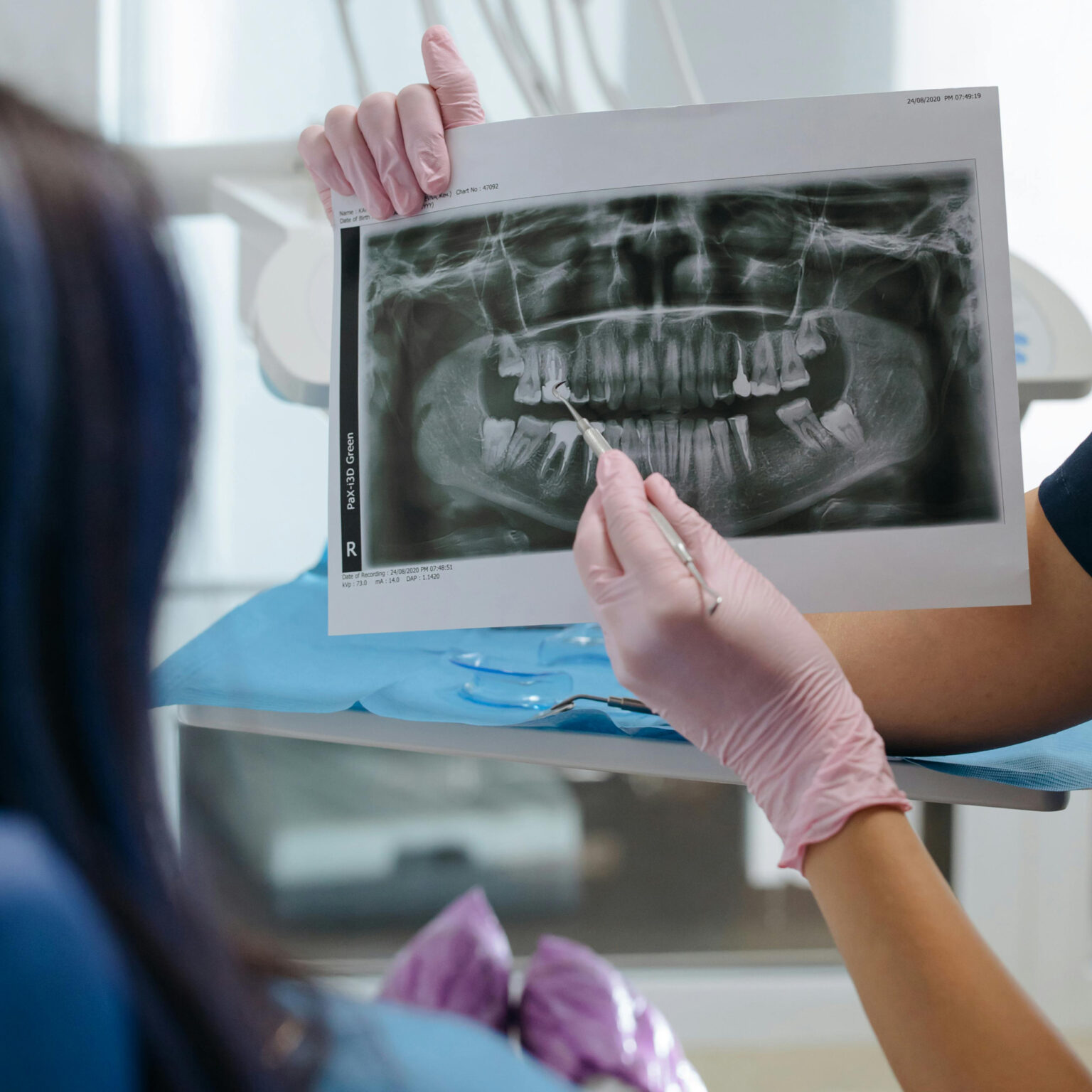
Losing teeth changes more than a smile. It changes how people eat, how clearly they speak, how they feel in photographs, and often how much they think about their mouth from morning to night. When patients start comparing dental implants and dentures, they are usually not chasing a cosmetic upgrade. They are trying to get back comfort, confidence, and some sense of normalcy.
That is why the question matters so much in real life: which is actually better?
The honest answer is that there is no single winner for every person. Dental implants are often the stronger long-term solution, especially for stability, chewing power, and bone preservation. Dentures can still be the right choice in many cases because they cost less upfront, involve less surgery, and can solve a difficult situation faster. The better option depends on your health, anatomy, budget, timeline, and expectations.
For people researching Dental Implants Calabasas CA, the comparison can feel especially relevant because many adults here are not just looking for function. They want a restoration that looks natural, fits an active lifestyle, and holds up over time. That shifts the conversation from simple tooth replacement to quality of life.
What makes this decision harder than it seems
At first glance, implants and dentures sound like straightforward alternatives. One is fixed and modern. The other is removable and traditional. In practice, the difference runs deeper.
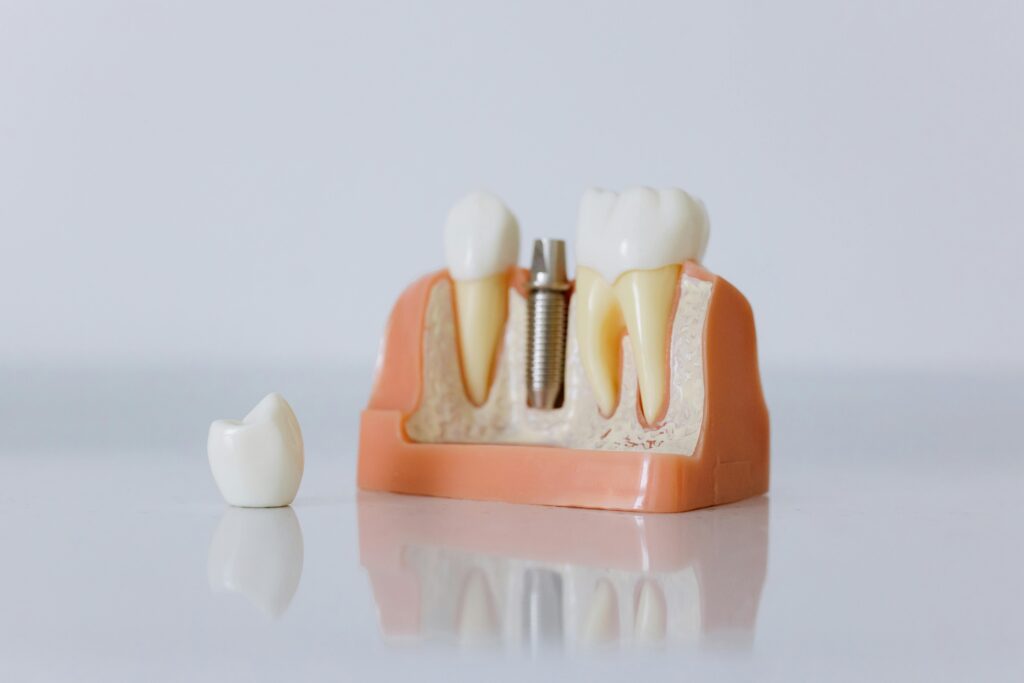
A denture replaces visible teeth and some gum tissue. It rests on top of the gums. A dental implant replaces a tooth root with a titanium or zirconia post placed in the jawbone, then supports a crown, bridge, or implant denture. That means the two options interact with the mouth very differently.
A patient with a well-made full denture may look great across the room and still struggle with apples, steak, or speaking confidently at a dinner table. Another patient with implants may enjoy excellent function but need months of healing and a larger financial commitment before reaching that result. Neither treatment should be judged only by the final photo.
The most useful comparison looks at daily life. Can you chew comfortably? Do you worry about movement? Do you remove the teeth at night? Does the jawbone keep shrinking? Will the restoration still make sense ten years from now?
Those are the questions that reveal the real trade-offs.
How dentures perform in everyday use
Dentures have helped millions of people restore missing teeth, and they still have an important place in dentistry. A conventional full denture can replace an entire upper or lower arch. A partial denture can fill in gaps when some natural teeth remain. In the right case, dentures improve appearance and function dramatically compared with having many missing teeth or failing teeth.
One major reason people choose dentures is accessibility. The treatment usually costs much less than implants, and it can often be completed more quickly. For someone dealing with widespread tooth loss, infection, or severely damaged teeth, a denture may provide a practical path forward without surgery or with only limited extractions and healing.
That said, dentures come with compromises that many people do not fully appreciate until they wear them. Lower dentures are usually the hardest. Because the lower jaw has less surface area and the tongue is constantly moving, a lower denture can feel unstable even when it is made properly. Upper dentures often stay in place better because suction helps, but they cover the roof of the mouth, which can affect taste and temperature perception.
Patients often describe the first few weeks with dentures as a learning curve. Speech can sound slightly different. Saliva may increase for a short time. The cheeks and lips need time to adapt. Pressure spots can develop and require adjustments. This is normal, but it matters. A denture is not like putting on eyeglasses and immediately forgetting about them.
Longer term, the biggest issue is bone loss. Once a natural tooth is gone, the jawbone in that area no longer receives the stimulation it used to get through chewing. Over time the bone shrinks. When the bone changes, the denture fit changes too. A denture that felt secure at delivery may loosen over the years, which can lead to slipping, sore spots, and difficulty eating.
That is why many denture wearers need periodic relines, repairs, or remakes. The denture itself is not necessarily failing. The mouth is changing underneath it.
Why implants have changed the standard of care
Dental implants changed restorative dentistry because they address the problem below the gumline, not just above it. By integrating with the jawbone, implants create a stable foundation that behaves more like a natural tooth root than a removable appliance.
For a single missing tooth, an implant can support a crown without cutting down neighboring teeth. For multiple missing teeth, implants can support a bridge. For full-arch tooth loss, two to six implants can dramatically improve retention for an overdenture, and four or more implants can sometimes support a fixed full-arch prosthesis.
The day-to-day benefit is obvious. Implant restorations do not shift the way traditional dentures often do. Chewing feels more secure. Speech is usually easier. Many patients report that they stop thinking about their teeth every few minutes, which is more significant than it sounds. Constant awareness of an appliance can be exhausting.
Implants also help preserve bone. They do not stop all change in the jaws forever, but they provide stimulation that can slow the resorption that commonly follows tooth loss. This is one of the least flashy and most important advantages of implants. Bone support affects facial structure, lip support, denture fit, and future treatment options.
In my experience, the patients happiest with implants are not always the ones who wanted the most advanced treatment. They are often the ones who were tired of managing compromise. They were done with adhesives, done with food limitations, done with worrying that something might move at the wrong moment.
Where dentures still make more sense
Even with all the advantages of implants, dentures remain the better fit for some patients. Cost is the obvious reason, but not the only one.
Some people have medical conditions that make surgery less ideal or require special precautions. Others have very limited bone volume and would need grafting before implants, which adds time, cost, and complexity. Some patients simply do not want surgery, and that preference deserves respect. A treatment plan only works if the patient can realistically complete it.
Dentures may also make sense when a person needs a transitional solution. If multiple teeth are failing and need to be removed quickly, an immediate denture can restore appearance right away while the gums heal. Later, that patient can decide whether to stay with dentures or convert to implants.
There is also a psychological side to this. Not everyone values fixed teeth the same way. One patient may say, “I want the closest thing possible to natural teeth, whatever it takes.” Another may say, “I just want something functional that I can afford and maintain.” Both are reasonable positions. Better is not purely clinical. It depends on goals.
The money question, without sugarcoating it
This is often where the decision becomes real. Dentures usually cost less at the beginning. Implants usually cost more at the beginning, but they may offer better long-term value depending on how many adjustments, remakes, relines, extractions, grafts, or replacement appliances are needed over time.
A simple complete denture can be far less expensive than a full set of implant-supported teeth. That difference can be substantial. However, “dentures” is a broad category. A premium denture with better materials and more customization costs more than a basic one. Implant treatment also varies widely. A single implant crown is a very different investment from a full-arch fixed case.
The fairest way to think about cost is to separate upfront price from lifetime maintenance. Dentures are less expensive to start, but they usually need more routine adaptation as the mouth changes. Implants cost more to place, but if they are well planned and well maintained, they can provide stable function for many years.
Insurance adds another layer of complexity. Some dental plans contribute toward dentures but offer limited implant benefits or none at all. That can influence decisions, though it should not be the only factor. I have seen patients choose the cheaper treatment, then spend years unhappy with function. I have also seen patients stretch for implants before they were financially ready, then feel stressed by the process. The right decision balances desire with practicality.
Comfort, confidence, and social ease
Patients often focus on chewing and cost because those are easy to measure. Confidence is harder to quantify, but it matters just as much.
A stable implant restoration usually feels more secure in social settings. There is less fear of movement while laughing, speaking, or eating with others. For people who travel, attend business dinners, date, or spend time on stage or on camera, that reliability can carry real emotional value.
Dentures can absolutely look attractive, and many people wear them gracefully. But removable appliances require a degree of adaptation and maintenance that some people find tiring. Taking teeth out at night, cleaning them separately, using adhesive, and worrying about fit changes can become a constant background task.
That said, some denture patients become highly comfortable and do very well, especially with a well-designed upper denture or an implant-retained overdenture. The quality of the prosthesis, the shape of the ridges, muscle control, saliva flow, and expectations all influence success. It is a mistake to assume every denture experience is bad or every implant experience is effortless.
A useful way to compare the two
| Factor | Dental implants | Dentures | | --- | --- | --- | | Stability | Very stable, especially fixed restorations | Can loosen, especially lower dentures | | Chewing ability | Closer to natural teeth | Often reduced, varies by fit | | Bone preservation | Helps maintain jawbone | Does not prevent bone loss | | Upfront cost | Higher | Lower | | Maintenance style | Daily hygiene, professional checks | Daily removal, cleaning, relines or remakes over time |
That table captures the broad pattern, but individual cases often break the pattern. A poorly placed implant is not better than a well-made denture. A loose denture on a severely resorbed lower ridge can be transformed by just two implants. The details Dental Implants Calabasas CA matter.
Full-arch tooth loss changes the conversation
When someone is missing all the teeth in one arch, the best option often falls somewhere between traditional dentures and a fully fixed implant bridge. Implant overdentures deserve special attention because they solve one of the biggest complaints with dentures: movement.
An overdenture snaps onto implants, usually two or more on the lower jaw and often more on the upper depending on anatomy. It is still removable, but it gains retention from the implants. For many patients, this is the smartest middle ground. It costs less than a fully fixed implant bridge, improves stability dramatically, and often restores confidence with speaking and eating.
I have seen lower overdentures make a remarkable difference for people who had spent years fighting with a floating lower plate. They could suddenly order salad again. They could speak without pressing the denture down with the tongue. They stopped carrying adhesive everywhere. That is not a small improvement.
A fixed full-arch restoration can go even further, but it is not automatically the right answer for every patient. It requires more planning, more investment, and excellent home care. Some people love the idea of fixed teeth but are not ideal candidates because of hygiene limitations, smoking, uncontrolled health issues, or parafunctional habits like heavy grinding.
The role of bone, gums, and anatomy
Treatment decisions are often made by anatomy before they are made by preference. Bone height, bone width, sinus position in the upper jaw, nerve location in the lower jaw, gum quality, and bite relationship all shape what is possible.
Patients sometimes assume implants can go anywhere a tooth used to be. Sometimes that is true. Sometimes it is not. If a tooth has been missing for years, the bone may have narrowed significantly. Bone grafting may be recommended to create better support. This does not mean implants are off the table, but it does mean the process may be more involved.
With dentures, anatomy matters too. Broad, well-formed ridges tend to support dentures better than narrow, flat ridges. Saliva also plays a role. Very dry mouths make denture retention harder and increase soreness risk. Medications, age, and systemic conditions can affect this.
This is why online comparisons only go so far. A proper exam, imaging, and bite evaluation often change the recommendation.
Who tends to do best with each option
Some patterns show up again and again in practice.
People who usually do well with implants tend to be looking for long-term stability, willing to undergo surgery, able to maintain excellent oral hygiene, and prepared for a larger initial investment. They often care deeply about eating comfort and want something that feels as close to natural teeth as possible.
People who often do well with dentures tend to want a non-surgical or lower-cost path, accept the idea of a removable prosthesis, and understand that periodic maintenance is part of the package. They may also need a faster transitional solution after extractions.
The gray zone is where careful judgment matters most. A patient may want implants but have financial limits that make a staged plan smarter. Another may begin with dentures, then add implants later to improve retention. Dentistry does not have to be all or nothing.
Questions worth asking before deciding
If you are weighing dentures against Dental Implants Calabasas CA, ask your dentist practical questions, not just broad ones. The most productive conversations usually cover these points:
- Am I a candidate for implants right now, or would I need grafting or other preparatory treatment?
- How will each option affect the way I eat, speak, and clean my teeth every day?
- What maintenance should I expect over the next five to ten years?
- If I start with dentures, can I convert to implant support later?
- What are the risks in my specific case, based on my bone, bite, and medical history?
Those answers matter more than generic promises.
What “better” really means for most patients
If the question is purely clinical, implants usually win. They are more stable, more efficient for chewing, and better for preserving bone. For many people, they provide the closest experience to having natural teeth again. If budget and candidacy were never issues, more patients would choose implants.
But “better” in a treatment room is not the same as “better” on paper. Better can mean lower cost. Better can mean avoiding surgery. Better can mean getting through a difficult dental transition with a solution that works today, even if it is not the final ideal. Better can mean choosing an implant overdenture instead of a fixed bridge because it fits both anatomy and lifestyle.
The strongest treatment plans are realistic. They respect what the mouth can support and what the patient can sustain.
If you are missing one or several teeth and want the most natural function, implants usually deserve serious consideration. If you are replacing a full arch and worry about movement, ask about implant-retained dentures, especially for the lower jaw. If finances are tight, a well-made denture can still restore appearance and provide meaningful improvement, particularly when expectations are honest from the beginning.
A good dentist will not sell this as a simple contest with one universal winner. They will show you the likely day-to-day experience of each option, explain the biological trade-offs, and help you choose based on how you actually live.
That is the real answer to whether dental implants or dentures are better. The better treatment is the one that gives you dependable function, suits your anatomy, fits your budget, and leaves you feeling confident every time you eat, speak, and smile.
Oaks Dental
5000 Parkway Calabasas, Suite 308
Calabasas, CA 91302, United States
Phone: +1 (818) 412-8349
FAQ About Dental Implants Calabasas CA
How much does a dental implant cost in California?
Costs vary with the number of teeth replaced, restoration type, imaging, and any extractions or bone grafting. Request an itemized estimate after an examination; a single advertised price may not include every treatment stage.
Can people with autoimmune disease get dental implants?
Some people may qualify, but the condition, medications, oral health, and healing risks require individual assessment. Share your medical history with your dentist, who may coordinate with your treating physician.
Can you have dental implants if you have osteopenia?
Osteopenia does not by itself establish whether implants are suitable. Your dentist must evaluate jawbone support and review bone-related medications and other risks before recommending treatment.
Ends · EDUARDOFHHW638