How Successful Are Dental Implants in Calabasas CA?
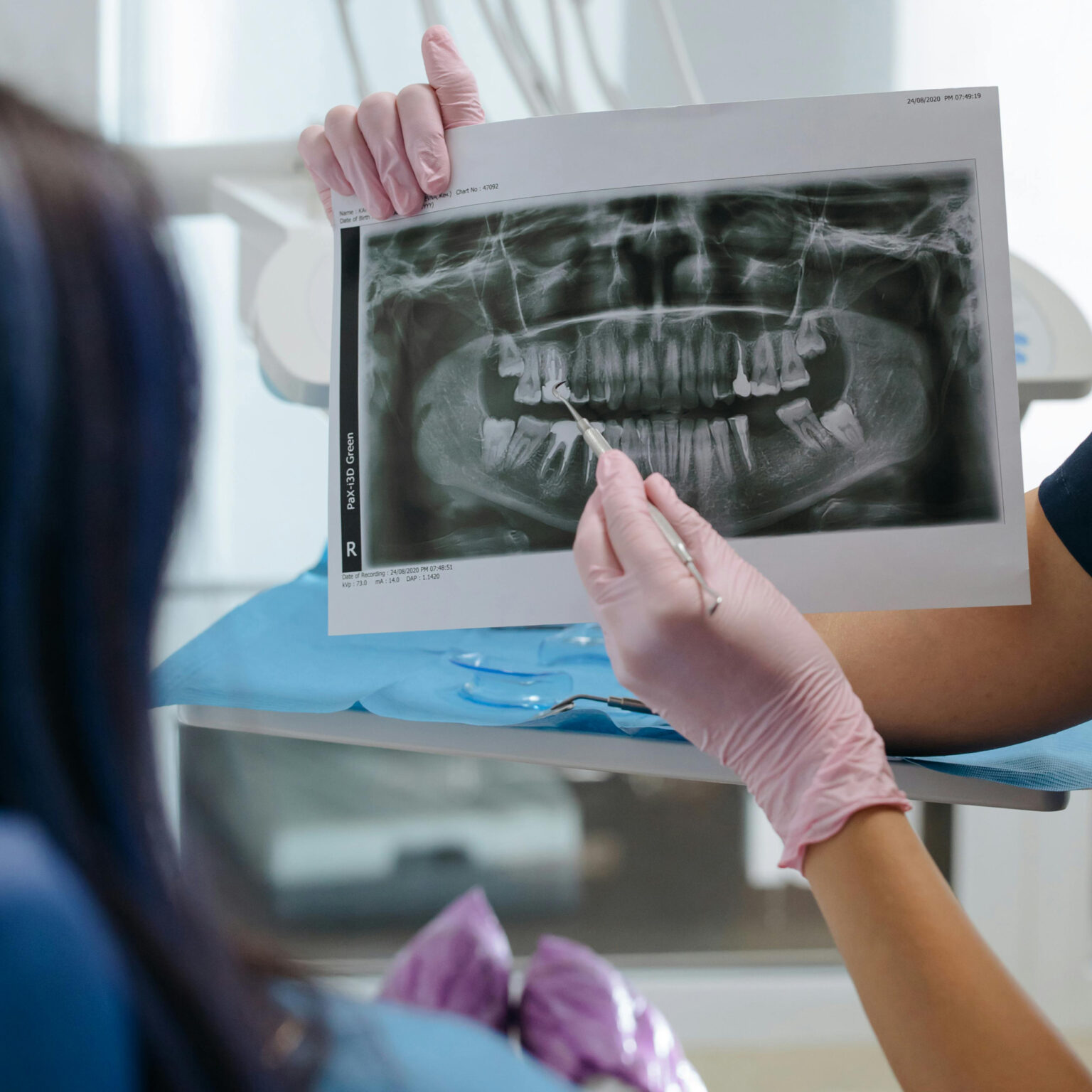
When patients ask whether dental implants are really worth it, they are rarely asking for a simple percentage. What they usually want to know is whether the implant will feel secure, whether it will look natural, whether the investment will hold up for years, and whether they are a good candidate in the first place. In a place like Calabasas, where people often want results that are both durable and aesthetically refined, those questions matter even more.
The short answer is that dental implants are generally very successful. In healthy patients with good treatment planning and strong home care, success rates commonly fall above 90 percent, and often in the 95 percent range over many years. That said, the number itself only tells part of the story. Implant success depends on anatomy, health history, habits such as smoking or teeth grinding, the quality of the surgical placement, and the precision of the final restoration.
If you are researching Dental Implants Calabasas CA, it helps to understand what “success” means from a clinical standpoint and from a patient’s point of view. A stable implant that has integrated with the bone is one measure. A crown that blends naturally with surrounding teeth is another. Comfort when chewing, healthy gums, and bone stability over time matter just as much.
What makes dental implants so predictable?
Dental implants succeed because they are designed to work with the biology of bone. A small titanium or titanium-alloy post is placed in the jawbone, where it heals and integrates through a process called osseointegration. Once this bond forms, the implant can support a crown, bridge, or denture in a way that resembles the function of a natural tooth root.
That root-level support is the main reason implants tend to outperform many alternatives in the long run. A traditional bridge can be an excellent option in the right case, but it relies on neighboring teeth for support. A removable denture can restore appearance and some function, but it may shift, rub, or limit chewing ability. An implant, when properly placed and restored, stands on its own.
Predictability comes from several layers working together. The surgical phase must be accurate. The implant needs enough bone around it. The bite has to be balanced so the implant is not overloaded. The soft tissue around the implant should be healthy and shaped well enough to create a natural emergence profile. Good cases usually look effortless at the end, but they are not casual. They are carefully planned.
The success rates patients should know
Most patients hear broad success-rate claims online, and some of those claims are oversimplified. The reality is more nuanced, though still encouraging. Dental implants have one of the strongest long-term track records in modern dentistry. For single-tooth implants placed in healthy adults, success rates are often reported in the mid-90 percent range and can remain high over ten years or longer. Some implants last decades.
Still, outcomes vary depending on the situation. A single implant in the lower jaw of a healthy nonsmoker with dense bone is usually more straightforward than a full-arch case involving bone grafting, sinus elevation, or long-standing bone loss. Upper back teeth can be trickier because the bone is often softer and the sinus may limit available height. Patients with uncontrolled diabetes, heavy smoking habits, active periodontal disease, or poor oral hygiene face higher risks.
It also helps to separate “survival” from “success.” An implant may still be present years later, which means it survived. But true success means more than simply remaining in the mouth. Dentists look for stability, minimal bone loss, healthy surrounding tissues, absence of infection, and function without chronic discomfort. Patients usually define success in practical terms: it feels like a real tooth, it lets them eat normally, and they do not think about it every day.
Why local expertise matters in Calabasas
Calabasas patients often have high expectations for cosmetic detail, and that is reasonable. Front-tooth implants, especially in patients with broad smiles or thin gum tissue, demand real artistry. It is not enough for the implant to fuse to bone. The gum contours, shade matching, crown shape, and bite need to be handled with care.
Local expertise matters because implant dentistry is part surgery, part prosthetics, and part aesthetics. A clinician treating Dental Implants Calabasas CA should understand bone quality, imaging, gum architecture, and how the final restoration will function over time. Cases tend to go best when the implant is planned from the crown backward. In other words, the ideal position of the visible tooth should guide where the implant is placed, not the other way around.
Patients are sometimes surprised to learn that implants can fail even when the surgery itself looked acceptable on the day it was done. A millimeter too far toward the lip, a bite that hits too hard, or soft tissue that was not properly managed can create problems months later. In the front of the mouth, even a technically integrated implant can be disappointing if the tissue shrinks or the crown looks flat and artificial.
The biggest factors that influence success
If there is one lesson that experienced dentists and specialists repeat, it is this: implants do not fail for one single reason. They usually fail because several smaller risk factors stack up.
Bone quality and volume are foundational. If enough bone is present, the implant can be placed in a stable position and heal predictably. If bone is thin or deficient, grafting may be needed to create a healthier base. This does not mean the case is doomed. Bone grafting is common and often very successful, but it adds complexity and healing time.
General health also matters. Patients with well-controlled medical conditions often do very well. Problems tend to arise when systemic issues are unmanaged. Uncontrolled diabetes can slow healing and increase infection risk. Certain medications can affect bone metabolism. Autoimmune conditions, radiation history, and severe dry mouth may require modified planning.
Smoking remains one of the clearest risk factors. Nicotine reduces blood flow and can compromise healing. Heavy smokers can still receive implants in some cases, but their risk profile is different, and they should hear that plainly. The same is true for uncontrolled clenching or grinding. Excessive bite force can stress both the implant and the restoration, especially if the patient is missing multiple back teeth or does not wear a night guard.
Gum health is another major issue. An implant placed into a mouth with active periodontal disease is entering a hostile environment. If the patient has a history of gum disease, the disease must be stabilized first. Even after implant placement, the patient needs maintenance. Peri-implant inflammation can begin quietly and progress without much pain. By the time symptoms are obvious, bone loss may already be occurring.
What the process looks like in real life
Many people imagine implants as a one-visit procedure, but most cases unfold in stages. That is not a drawback. It is part of what makes them dependable.
A typical sequence often includes the following:
- Examination, imaging, and treatment planning
- Extraction if a damaged tooth is still present
- Bone grafting when needed, either at extraction or before implant placement
- Implant placement and healing period for integration
- Placement of the abutment and final crown, bridge, or denture
Not every patient needs every step. Some can have an implant placed immediately after extraction if the infection risk is low and enough bone remains. Others are better served by a delayed approach that allows the area to heal first. The right timing depends on biology, not impatience.
In practice, good communication during this phase is one of the strongest predictors of patient satisfaction. People tolerate a longer process surprisingly well when they know why each stage matters. They become frustrated when they are told only that something is “taking longer than expected” without context. An honest timeline up front usually creates a smoother experience.
The first year is important, but so are years five and ten
Early healing is critical. This is when the implant bonds to the bone and the soft tissue starts to seal around it. Patients often assume that once the crown is attached, the case is finished. Clinically, that is when long-term maintenance begins.
Most implant problems do not happen in the first few weeks. They show up later as inflammation, loose components, cracked porcelain, gum recession, or progressive bone loss. That is why regular follow-up is part of implant success, not an optional extra.
A patient may say, “It feels fine, so I figured everything was good.” Sometimes that is true. Sometimes an x-ray shows a loose screw, excess cement, or early bone changes that are not yet causing symptoms. Catching those issues early can make the difference between a simple fix and a major repair.
The long view matters because implants are expected to serve for many years. A well-placed implant with excellent maintenance can remain healthy for decades. A neglected implant can deteriorate despite a strong start.
When implants are more complicated than they seem
The internet often portrays implants as universally easy. Experienced clinicians know better. Some mouths are simple. Others are not.
Front-tooth implants are among the most demanding. The esthetic zone leaves almost no room for error, especially in patients with thin tissue or a high smile line. Tiny changes in gum height or papilla shape can be obvious. These cases often benefit from careful provisionalization, tissue sculpting, and close collaboration between the surgical and restorative teams.
Full-arch implant cases can also be life-changing, but they require precise planning and realistic expectations. Many patients love the stability compared with removable dentures. At the same time, these restorations can be harder to clean, may require ongoing maintenance, and are not immune to wear. They are excellent solutions when properly selected, not miracle devices.
Even single implants can become complex when an old infection has damaged the bone or when the neighboring teeth have drifted into the missing space. Orthodontic movement may be needed first. In other cases, a patient may technically qualify for an implant but be better served by a bridge because of time, budget, anatomy, or the condition of adjacent teeth.
That is one of the most important realities in implant dentistry: a good dentist does not recommend an implant simply because implants are popular. The best recommendation fits the Dental Implants Calabasas CA whole mouth and the patient’s habits, priorities, and long-term goals.
Signs that a patient is likely to do well
There is no perfect candidate, but certain patterns tend to predict strong outcomes. Patients usually do best when they are healthy enough for normal healing, have stable gums, commit to home care, and understand that the implant needs maintenance just like natural teeth.
Here are some positive indicators dentists look for:
- good bone support or a predictable grafting path
- controlled medical conditions
- no active gum disease
- nonsmoking or willingness to reduce or quit
- realistic expectations about timeline and upkeep
None of these guarantees success by itself. They simply create better odds.
I have seen patients in their seventies do beautifully with implants because they were meticulous about hygiene and follow-up. I have also seen younger patients struggle because they missed cleanings, smoked heavily, and clenched at night without protection. Age by itself is rarely the deciding factor. Habits usually matter more.
The role of maintenance after placement
This is where some of the strongest implants are lost. Not because the surgery was poor, but because patients assume an implant cannot decay and therefore needs little attention. While an implant crown does not get a cavity the way a natural tooth does, the tissues around it can still become inflamed and infected.
Daily cleaning matters. So does professional maintenance. The implant should be examined for soft tissue health, pocketing, bleeding, bite stability, and radiographic bone levels. If the patient has a history of periodontal disease, shorter recall intervals are often wise.
Night guards can be just as important as brushing in the right patient. Someone who grinds can overload an implant crown or loosen components over time. Many people are unaware they grind until they chip porcelain or wake with jaw tension. Addressing force early protects the work.
The restorative design also affects maintenance. A beautifully made crown that traps plaque under the contact or is difficult to floss around can create long-term trouble. Good dentistry is not only about how it looks on delivery day. It is about whether the patient can keep it healthy on an ordinary Tuesday night at home.
Cost, value, and the question patients are really asking
When people ask how successful implants are, cost is often sitting just behind the question. They want to know whether the investment makes sense.
Implants usually cost more upfront than removable options and often more than a conventional bridge. But cost alone can be misleading. A lower-cost solution that needs repeated adjustments, relines, remakes, or replacement of neighboring teeth may not be the better value over time. On the other hand, the most expensive implant plan is not automatically the best one either.
Value comes from durability, comfort, esthetics, and preservation of surrounding structures. An implant helps maintain bone in a way that a missing tooth space does not. It can also spare adjacent teeth from being prepared for a bridge. Those benefits matter, especially for patients planning long term.
Still, not every patient needs the most comprehensive plan. Some need a phased approach. Others may need to stabilize gum disease or complete other dental treatment before pursuing implants. Thoughtful treatment planning respects both biology and budget.
Questions worth asking before moving forward
The smartest patients are not the ones who arrive already convinced they need an implant. They are the ones who ask careful questions and listen closely to the answers. A worthwhile consultation should make the pathway clearer, not murkier.
Ask what the condition of the bone and gums looks like right now. Ask whether grafting is needed and why. Ask what risks apply specifically to your mouth, not to “patients in general.” Ask who will place the implant, who will restore it, and how the bite will be managed. If this is a front-tooth case, ask to see how tissue esthetics will be handled.
It is also fair to ask what maintenance will look like in years one, five, and ten. Good providers are comfortable discussing the full life cycle of the treatment, including the possibility that parts may need maintenance or replacement over time.
So, how successful are dental implants in Calabasas CA?
They are highly successful when the case selection is sound, the planning is precise, and the patient follows through. That may sound obvious, but it is the truth behind the statistics. In well-managed cases, dental implants can be one of the most reliable and satisfying treatments in dentistry. They can restore function, protect bone, and give patients back a sense of confidence that feels surprisingly personal.
For anyone considering Dental Implants Calabasas CA, the more useful question is not just “Do implants work?” It is “Will they work well for me, in my mouth, with my habits, and over the next decade?” The answer is often yes, but the best yes is a measured one, built on imaging, careful diagnosis, realistic expectations, and long-term maintenance.
That is what separates a decent result from a lasting one. A successful implant is not simply placed. It is planned, protected, and maintained. When those pieces come together, the outcome can be remarkably dependable.
Oaks Dental
5000 Parkway Calabasas, Suite 308
Calabasas, CA 91302, United States
Phone: +1 (818) 412-8349
FAQ About Dental Implants Calabasas CA
How much does a dental implant cost in California?
Costs vary with the number of teeth replaced, restoration type, imaging, and any extractions or bone grafting. Request an itemized estimate after an examination; a single advertised price may not include every treatment stage.
Can people with autoimmune disease get dental implants?
Some people may qualify, but the condition, medications, oral health, and healing risks require individual assessment. Share your medical history with your dentist, who may coordinate with your treating physician.
Can you have dental implants if you have osteopenia?
Osteopenia does not by itself establish whether implants are suitable. Your dentist must evaluate jawbone support and review bone-related medications and other risks before recommending treatment.
Ends · EDUARDOFHHW638