Immediate Load Dental Implants: Same-Day Smile Solutions
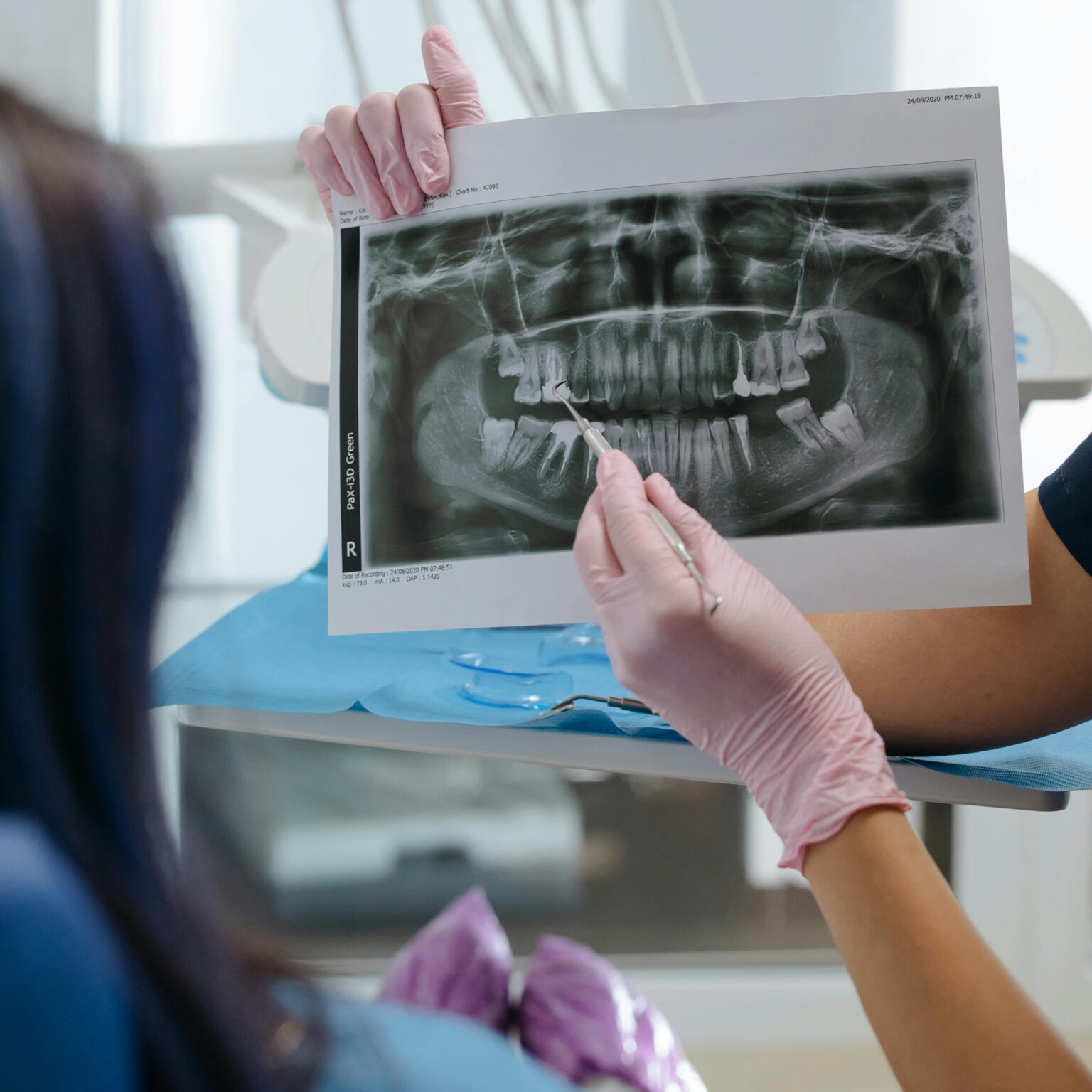
For the right patient, immediate load dental implants can change the pace of treatment from months of waiting to a same-day transformation. That speed is what draws people in, but speed alone is not the real story. The real story is case selection, planning, bone stability, bite control, and disciplined aftercare. When those pieces line up, same-day teeth can look natural, feel life-changing, and hold up beautifully. When they do not, the treatment becomes far less predictable.
Patients often arrive using the phrase “same-day implants” as if it describes one simple procedure. In practice, it covers a family of treatment approaches. Sometimes it means one implant placed into a fresh extraction socket with a temporary crown attached right away. Sometimes it means a full arch restoration, where several implants support a fixed temporary bridge on the day of surgery. The common thread is this: the implant is placed and given a temporary tooth or set of teeth without the long unloaded healing period that traditional protocols usually require.
That is a powerful option, especially for people who are missing front teeth, wearing unstable dentures, or trying to avoid months with visible gaps. Still, the best outcomes come from understanding where immediate loading shines, where it carries extra risk, and what the first few months really demand from the patient.
What “immediate load” actually means
A dental implant is a titanium or titanium-alloy fixture placed into the jawbone to serve as an artificial tooth root. Under a conventional timeline, the implant is placed, covered or left healing under the gum, and then allowed to integrate with bone over several weeks or months before it supports a crown, bridge, or denture.
Immediate loading compresses that schedule. The implant is placed and restored with a provisional tooth or bridge within a very short window, usually the same day or within 48 hours. That temporary restoration is not there merely for appearance. It can help shape soft tissue, preserve smile aesthetics, and, in full-arch cases, give a patient fixed teeth immediately after surgery.
What matters most here is the distinction between a temporary and a final restoration. Many patients hear “same-day teeth” and assume the finished porcelain teeth are going home with them. Most of the time, they are not. The first set is commonly a carefully designed provisional. It is lighter, adjusted to reduce excess bite force, and intended to protect the implants during healing. The final prosthesis comes later, after the implant positions, gums, and bite have proven stable.
That difference is not a small technicality. It is central to the success of immediate load dental implants.
Why the demand for same-day smile solutions keeps growing
The appeal is easy to understand. Few people want a visible missing front tooth for months. Many denture wearers are tired of adhesive, slipping, sore spots, and the daily mental burden of managing removable teeth. Professionals who speak in public, salespeople, teachers, and anyone whose confidence is tied to appearance often ask whether there is a way to walk out with teeth the same day they walk in.
In the right circumstances, there is.
I have seen the emotional swing firsthand in patients who spent years hiding their smile. One man in his fifties had worn a loose upper denture for nearly a decade and had quietly changed the way he laughed. He covered his mouth with his hand. He avoided steak in restaurants. He knew exactly where every bathroom mirror was at work because he was always checking whether the denture had shifted. After a full-arch immediate load case, he did not just smile more. He carried himself differently. That is not marketing language. It is the visible relief of no longer negotiating every conversation with a prosthesis that feels unreliable.
But the emotional benefit should never push the clinical decision. Same-day treatment is not “better” by default. It is better when the biology supports it.
The biology behind success or failure
Implants succeed by osseointegration, the intimate bond between bone and implant surface. For that process to happen, the implant needs stability. Immediate loading raises the stakes because the implant is being asked to support a temporary tooth during early healing, when too much micromovement can interfere with integration.
This is why clinicians talk so much about primary stability. Primary stability refers to the mechanical firmness of the implant at the time of placement. It depends on bone quality, implant design, surgical technique, and anatomy. Good primary stability is one of the strongest predictors of whether immediate loading is even on the table.
Dense lower jawbone often behaves differently from softer upper jawbone. A single implant replacing a lower premolar may achieve strong stability quite readily. A front upper implant in thinner bone, especially after infection or bone loss, can be a different story. Full-arch cases can offset some of these challenges by splinting multiple implants together with a rigid temporary bridge, which distributes force more favorably than a lone implant carrying a single temporary crown.
Bone is only part of the equation. The bite matters just as much. If a temporary crown gets hit too hard during chewing, clenching, or side-to-side grinding, the implant can be overloaded before it has healed. That is why immediate temporaries are often adjusted carefully to minimize contact, especially in single-tooth cases in the aesthetic zone.
Who tends to be a good candidate
The best candidates usually have a combination of adequate bone volume, healthy gums or manageable periodontal conditions, and no uncontrolled medical or behavioral factors that would compromise healing. They also understand that “same-day” does not mean “use it like a natural tooth by tonight.”
A patient missing a single front tooth due to trauma can be an excellent candidate if the socket is clean, the surrounding bone walls are intact, and the implant locks in with strong stability. A patient transitioning from failing teeth to a full-arch fixed temporary can also do very well when enough strategic implants can be placed and splinted together.
By contrast, not every urgent cosmetic situation is suited for immediate loading. A badly infected site, severe nighttime bruxism, heavy smoking, poor oral hygiene, or limited bone in a critical area may make a more staged approach safer and wiser. It can be disappointing to hear that you are not a same-day candidate, but disappointment is temporary. A failed implant is a much bigger problem.
Here are the factors that most often improve candidacy for immediate load treatment:
- Strong primary implant stability at placement.
- Sufficient bone volume and favorable bone quality.
- Good gum health and controlled periodontal disease.
- The ability to follow a soft diet and post-op restrictions closely.
- A bite pattern that can be adjusted to reduce overload during healing.
Those points may sound technical, but they translate into something simple: same-day dentistry works best when the implant can be protected while the body does its part.
Where immediate load dental implants make the most sense
The classic high-value use case is the front tooth zone. Losing a visible incisor is not only functional, it is socially and emotionally disruptive. In carefully selected cases, placing an implant immediately after extraction and attaching a temporary crown can preserve gum contours and spare the patient from wearing a removable flipper. A removable temporary often presses on the healing gum and can flatten the tissue architecture. A well-made implant provisional, by contrast, can support a much more natural emergence profile.
Another strong indication is the edentulous or nearly edentulous full arch. This is where terms like “teeth in a day” entered public awareness. Instead of leaving a patient in a removable denture after extractions and implant placement, several implants are used to support a fixed temporary bridge. For someone who has struggled with a lower denture in particular, this can feel dramatic from day one because the lower denture is usually the least stable removable option.
There are also middle-ground cases, such as short-span bridges or posterior replacements, though these can be more nuanced. Back teeth take higher chewing loads. A patient may technically receive an immediate provisional there, but that does not mean the area should be used freely. The more force an implant site receives in early healing, the narrower the margin for error.
Planning is where same-day cases are really won
Patients often focus on surgery day, but the heavy lifting usually happens before the procedure starts. High-quality diagnostics are essential. A cone beam CT scan helps assess bone width, height, angulation, and proximity to vital anatomy. Digital scans, photographs, and bite records help plan tooth position, smile line, and restorative space.
This matters because implants should not simply be placed wherever bone happens to be available. They need to be placed where the final tooth can function and look right. A restoration-driven plan usually leads to better aesthetics, cleaner hygiene access, and fewer prosthetic compromises.
Guided surgery can be helpful in selected cases, especially full arches and aesthetic-zone treatment, though it is not magic. A guide is only as good as the planning behind it and the clinical judgment during surgery. Soft tissue, extraction socket anatomy, and real-time implant stability still require experience. Good teams treat the guide as a tool, not a substitute for judgment.
A practical detail many patients do not hear enough about is provisional design. The temporary teeth are not just placeholders. They are strategic devices. In a single front tooth, the provisional shapes the gum and avoids pressure in the wrong area. In a full arch, the temporary splints implants together and controls bite forces. Its contours, material thickness, and occlusion are not cosmetic extras. They are part of the treatment itself.
The day of treatment, what usually happens
The exact sequence varies, but most same-day cases follow a coordinated flow. Any failing tooth is removed as atraumatically as possible to preserve bone and soft tissue. The implant is placed, stability is measured, and grafting may be done if gaps exist between implant and socket walls. If the stability threshold is strong enough, a temporary restoration is connected.
For full-arch cases, the tempo can be intense. Extractions, implant placement, records, bite registration, and delivery of a fixed provisional all happen in a compressed timeline. That requires a synchronized team. Surgical precision matters, but laboratory support and chairside prosthetic adjustments matter just as much.
Patients are often surprised by how manageable the first day can feel, especially with modern anesthesia and sedation options. The more challenging part tends to come after the adrenaline wears off. Swelling, tenderness, speech adaptation, and the mental discipline required to protect the new work are what define the first few weeks.
The part patients underestimate, healing with discipline
This is where many same-day success stories are either secured or jeopardized. An implant can feel solid and still be vulnerable. Early healing is not the time to test toughness with crusty bread, nuts, raw vegetables, or chewing ice. In full-arch cases, even foods that seem soft can generate more force than expected if the patient bites aggressively.
A genuinely soft diet is not a suggestion. It is treatment. Think yogurt, eggs, fish, soft pasta, soups, tender rice, smoothies without chewing resistance, and similar foods. The timeline varies by case, but several weeks of caution are common, and many clinicians prefer a longer protected period in full-arch immediate load cases.
Speech can change for a few days or weeks, especially with full upper temporaries. Saliva flow may increase at first. The lips and tongue need time to adapt. None of that means something is wrong. It is part of adjusting to a new prosthetic contour.
These are the post-op habits that consistently make a difference:
- Keep to the prescribed soft-food plan, even when the teeth feel strong.
- Follow hygiene instructions carefully around the temporary restoration.
- Attend all review visits so bite contacts can be checked and adjusted.
- Report looseness, clicking, swelling, or pain early, rather than waiting.
- Use a night guard later if clenching or grinding is a known issue.
That last point deserves emphasis. Bruxism is a major complicating factor for all implant dentistry, and even more so when a fresh implant is being loaded immediately.
Benefits that are real, not just promotional
When immediate loading is done well, the advantages are meaningful. The most obvious is appearance. Walking out with a tooth or fixed temporary the same day can spare the patient an awkward interim period. In the front of the mouth, that can be invaluable.
There is also a functional and psychological gain. Full-arch patients often describe the first fixed temporary as the moment they stop thinking like denture wearers. They chew more confidently, speak more steadily, and no longer worry about a removable appliance shifting during conversation.
From a tissue management standpoint, immediate provisionals can help preserve and sculpt the gums. In ideal extraction-and-implant cases, they may support better aesthetic outcomes than removable temporary options. Treatment time can also feel more efficient, even though the total process still spans months from surgery to final restoration.
Yet the responsible way to discuss benefits is side by side with the compromises. Same-day does not remove healing biology. It simply works with it more aggressively.
The trade-offs and risks no one should gloss over
The biggest risk is early implant failure due to inadequate stability or overload during healing. That risk is not the same in every case, but it is the central concern. Immediate loading narrows the margin for error. Surgical accuracy, implant torque, prosthetic design, and patient compliance all need to work together.
Aesthetic challenges can also arise. A front tooth implant may be placed the same day, but soft tissue remodeling still occurs over time. If the socket had thin facial bone or the tooth was lost after trauma or infection, recession or contour changes can develop later. A beautiful day-one result is not the same thing as a stable one-year result.
There is also the issue of expectations. Some patients imagine a permanent, flawless smile by evening. In reality, the provisional phase often involves refinements. The bite may need adjustment. Speech may need adaptation. The final prosthesis may look and feel different from the first one, and usually that is a good thing.
Cost enters the conversation too. Immediate load dental implants can require more planning, tighter coordination, provisional fabrication, and sometimes advanced imaging or guided workflows. While pricing varies widely by region and case complexity, same-day convenience is not usually the budget option.
Single-tooth versus full-arch same-day treatment
These two categories are often discussed together, but they behave very differently.
A single immediate implant with a temporary crown is often pursued for aesthetic reasons. The goal is usually to preserve the look of the smile and avoid a removable temporary. The crown is commonly kept out of heavy biting contact so the implant can heal with minimal stress. In many of Dental Implants these cases, the patient can smile with confidence almost immediately, but must still treat the area gently.
A full-arch immediate load case is more of a structural engineering exercise. Multiple implants are distributed across the arch and connected by a rigid temporary bridge. Because the implants are splinted together, force distribution is often more favorable than with a single implant carrying its own load. Still, the patient must respect the temporary phase because one fractured provisional or one overloaded implant can affect the entire system.
This is one reason experienced teams are cautious about language. “Same-day smile” is true, but “same-day finished result” is usually not.
How immediate loading compares with conventional protocols
Traditional delayed loading remains an excellent and often very predictable treatment path. It gives the implant time to integrate without functional demand from a temporary tooth or bridge. For medically complex patients, poor bone conditions, active infection, or uncertain stability, delayed loading can be the smarter choice.
That does not make it old-fashioned. It makes it selective. The best clinicians do not treat immediate loading as a badge of sophistication. They use it when it improves the case, and they avoid it when it raises unnecessary risk.
Interestingly, many of the happiest implant patients are not the ones who got treatment fastest. They are the ones whose treatment matched their biology, habits, and expectations. Sometimes that means same-day teeth. Sometimes it means a slower, more conservative plan.
Questions worth asking before you commit
If you are considering this treatment, ask how your candidacy is being determined. Ask what the temporary restoration will be made of and whether it will be in full biting contact. Ask how long the soft-food phase will last. Ask what happens if primary stability is not strong enough on surgery day. A well-run implant practice will have a clear answer for that scenario, including the possibility of pivoting to a non-immediate plan if needed.
You should also ask who is responsible for the restorative side. In immediate load dentistry, surgery and prosthetics are inseparable. Beautiful surgery with a poorly designed provisional can still fail. Likewise, a great lab cannot rescue a badly positioned implant.
One of the most reassuring signs is when a clinician explains not just how they can do same-day treatment, but why they would or would not recommend it in your specific case. Good judgment often sounds more cautious than advertising.
What long-term success depends on after the smile reveal
The day the temporary teeth are delivered is memorable, but it is not the endpoint. Long-term success depends on maintenance. That includes professional review, radiographic monitoring when appropriate, gum care, home hygiene, and bite management. Implant restorations do not decay like natural teeth, but they can fail through bone loss, component problems, fracture, or peri-implant disease if maintenance slips.
The final prosthesis deserves thoughtful timing. Rushing to the definitive restoration before tissue and implant stability have matured can lock in avoidable compromises. In many cases, the temporary phase teaches the team important things about speech, lip support, tooth position, gum response, and bite dynamics. Those lessons should shape the final result.
Patients sometimes ask whether immediate load implants last as long as traditional implants. The honest answer is that longevity depends less on the headline label and more on execution, biology, and maintenance. A carefully selected and well-managed immediate case can do extremely well. A poorly selected one can struggle early.
Same-day smile solutions are one of the most compelling advances in modern Dental Implants, but they are not magic. They are precision treatments that reward planning, restraint, and follow-through. For the right patient, that can mean leaving surgery with a fixed, confident smile and a very different outlook by nightfall. For everyone else, the better answer may be a slower plan that respects the biology and protects the final outcome. The best result is not the fastest one. It is the one that still looks, feels, and functions beautifully years later.
Oaks Dental
5000 Parkway Calabasas Suite 308
Calabasas, CA 91302, United States
+1 818-431-2000
FAQ About Dental Implants
What is the downside of a dental implant?
Implants require surgery and a healing period that can last several months. Possible complications include infection, nerve or sinus injury, damage to nearby teeth and failure to bond with bone. Your dentist should assess your health, bone support and alternatives before recommending treatment.
What do dental implants typically cost?
There is no single price for every implant case. The number of teeth replaced, implant components, final restoration and any grafting or extractions affect the total. Request a written estimate covering every stage and confirm insurance benefits and out-of-pocket costs with the practice.
How long do tooth implants last?
An implant can provide long-term support and may last a lifetime with good oral hygiene and regular dental care, but this is not guaranteed. The crown or other restoration may need replacement sooner. Smoking, gum disease and some health conditions can reduce implant success.
Ends · EDUARDOFHHW638