The Link Between Dental Implants and Better Quality of Life
Missing teeth affect far more than appearance. That point becomes clear quickly in practice, often before a patient says a word about cosmetics. People chew on one side without realizing it. They avoid crusty bread, apples, steak, nuts, or anything that asks too much of their bite. Some stop smiling in photographs. Others speak a little differently and do not know why. A single gap can seem minor on a chart, yet in daily life it can shape meals, confidence, comfort, and even social habits.
Dental Implants are often discussed as a tooth replacement option, but that description barely captures their real value. At their best, they restore function in a way that feels stable, predictable, and close to natural teeth. That has a practical effect on quality of life, and quality of life is usually where the most meaningful outcomes show up. People do not measure success only by an X-ray or a clean surgical site. They measure it by whether dinner feels normal again, whether they can laugh without covering their mouth, whether they wake up without soreness from a slipping denture, whether they can stop thinking about a missing tooth at all.
That broader view matters, because choosing tooth replacement is rarely just a dental decision. It touches nutrition, speech, comfort, self-image, and long-term oral health. For many patients, implants improve those areas in ways that ripple outward into work, relationships, and routine well-being.
What changes when a tooth is lost
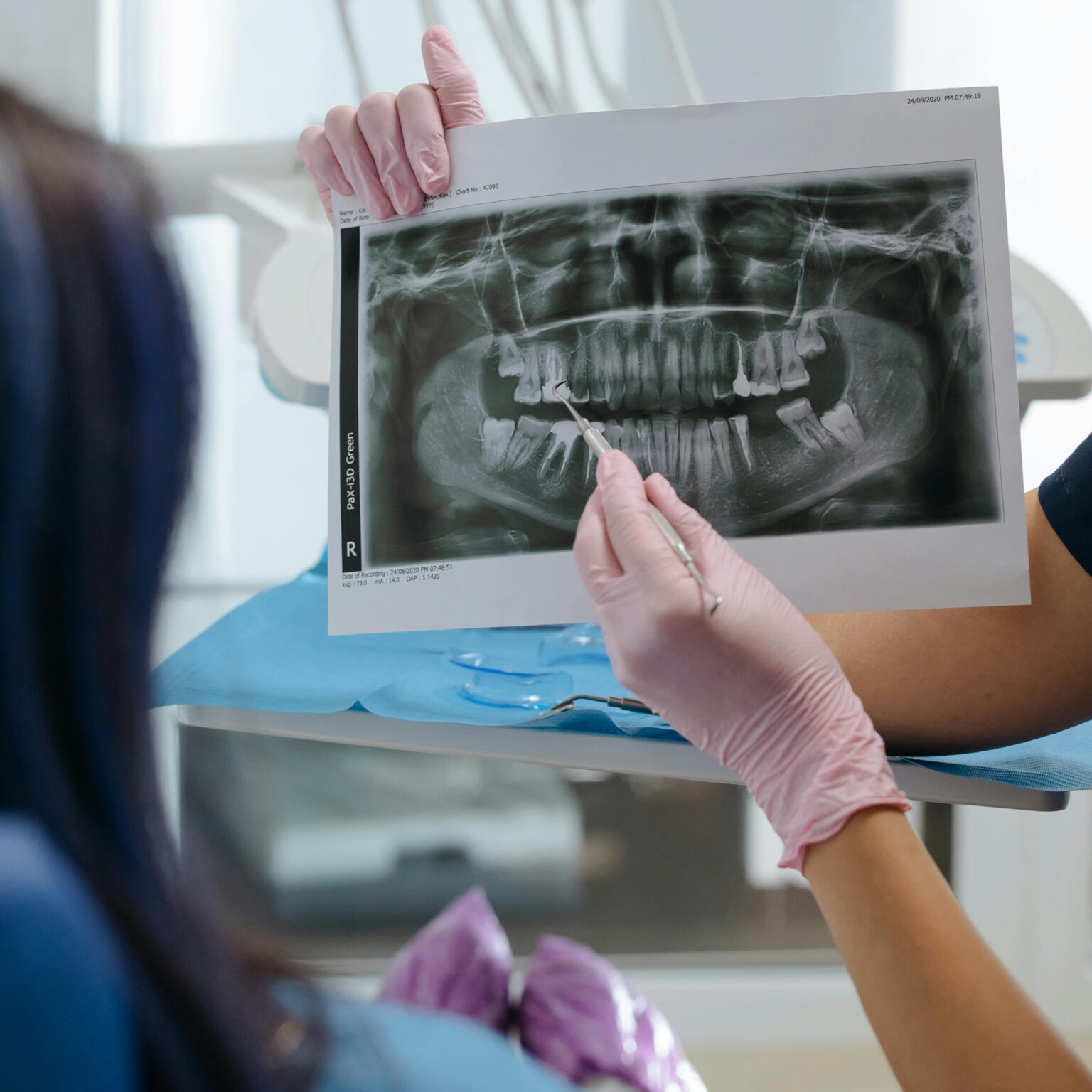
A lost tooth creates a chain reaction. The obvious change is the gap itself, but the less visible effects often matter more over time. Chewing efficiency can drop, especially if the missing tooth is a molar. The surrounding teeth may begin to tip or drift into the space. The opposing tooth can over-erupt because it no longer meets resistance. That movement may sound subtle, but even a small bite change can lead to uneven wear, food trapping, or muscle strain.
Bone loss is another major issue. Natural tooth roots stimulate the jawbone during chewing. When a tooth is removed and not replaced, the body gradually resorbs some of that bone because it no longer has the same functional demand. The pace varies. Some people lose noticeable volume within months, while others change more slowly. Either way, that shrinkage can affect facial contours and make future treatment more complicated.
There is also the psychological side. People often minimize it at first. They say the gap is “not a big deal” or “just one tooth.” Then they admit they have changed the way they smile, or they choose softer foods at restaurants, or they keep delaying social events because they do not feel like themselves. Oral health has a quiet but powerful role in identity. Teeth are involved in eating, speaking, and expression, which means their loss can be felt many times a day.
Why implants often feel different from other replacements
Dental Implants replace the root portion of a missing tooth with a biocompatible post, most commonly titanium, placed in the jawbone. After healing and integration, a crown, bridge, or denture attachment is connected to that implant. The key difference is support. An implant is anchored in bone, rather than resting on the gums or borrowing support from neighboring teeth.
That distinction has practical consequences. A conventional bridge can be an excellent treatment in the right case, but it typically requires reshaping adjacent teeth to support the restoration. A removable denture may restore appearance and some chewing ability, yet it can move under pressure and may create sore spots. An implant-supported restoration, by contrast, tends to provide more direct stability. Patients often describe the experience in simple terms: food feels easier to bite, speech feels less tentative, and the replacement stops feeling like a foreign object they have to manage.
This does not mean implants are automatically the best choice for everyone. Cost, anatomy, medical history, healing capacity, and personal preference all matter. But when implants are well planned and properly maintained, they can offer a level of function that translates into everyday ease, and that is where quality of life improves.
Eating becomes less complicated
Chewing is one of the most immediate quality-of-life gains patients report. This is especially true for people who have spent years adapting to a partial denture or a weak back tooth. They may not realize how much effort they have been using until that effort disappears.
A stable bite changes food choices. People are more likely to eat fibrous vegetables, proteins that require a firmer chew, and foods with texture. That matters nutritionally, particularly in older adults, where declining oral function can push diets toward softer, more processed meals. Good dentistry cannot solve every nutritional challenge, but restoring bite force and confidence often expands what feels realistic at the table.
There is also a social dimension to eating. Shared meals can become stressful when someone is worried about a denture shifting or an obvious gap showing while they talk. Implants often reduce that background worry. Patients describe being able to order what they want instead of what seems safest. That may sound small, but repeated over months and years, these changes add up.
One patient, a man in his early sixties, had worn a lower denture for years and managed reasonably well, at least by his account. He did not complain much. After receiving implant support for that denture, he came back and said the biggest surprise was breakfast. He had started eating toasted bread again. Not because toast was special, but because he had quietly given it up and forgotten that he had done so. That kind of comment says more about lived benefit than any technical language.
Speech and confidence are closely tied
Teeth help guide airflow and tongue position. That is why missing front teeth, unstable dentures, or major bite changes can affect speech sounds, especially Dental Implants s, f, and v sounds. Some patients compensate well. Others become self-conscious very quickly. They slow down, mumble, or avoid speaking in group settings.
When implants restore support and tooth position, speech often improves, though the timeline depends on the type of restoration. A single implant crown in the front may feel natural fairly quickly. A larger prosthesis may require a period of adjustment. Even then, stability tends to help. People are less distracted by movement, less likely to fear a click or shift, and more willing to speak freely.
Confidence is harder to measure, but easier to observe. A patient who used to hold a hand over their mouth starts smiling openly. Someone who was hesitant during consultation becomes more animated at follow-up. That change is not vanity. It reflects comfort, self-possession, and relief. Feeling at ease in your own face has value.
The jawbone matters more than most people realize
One of the strongest arguments for implants is bone Dental Implants preservation. No tooth replacement can freeze biology completely, but implants are the option most capable of transmitting functional load to bone in a root-like way. That stimulation helps preserve the jaw structure better than leaving a space empty or relying on a removable appliance alone.
This matters for function and appearance. When bone shrinks, the ridge narrows and loses height. In denture wearers, progressive resorption can worsen fit and retention. In the front of the mouth, tissue collapse can create aesthetic challenges around gums and lip support. In the back, reduced bone height may limit implant options later or require grafting.
Patients do not always notice these changes early. They often become apparent years after an extraction, when a once-straightforward replacement is suddenly more complex. Timing is not everything, but it matters. Replacing a tooth before severe bone loss develops can simplify treatment and improve the final outcome.
Comfort is not a luxury
Comfort tends to be underestimated until it is missing. A loose or rubbing denture can dominate a person’s day. Pressure spots, trapped food, adhesive use, and fear of movement create constant low-grade stress. Some patients adapt heroically. That does not mean the arrangement serves them well.
Implant support often improves comfort by reducing motion and pressure on the soft tissue. This is particularly dramatic for lower dentures, which are notoriously difficult to stabilize because the lower arch has less surface area and more tongue interference than the upper. Even two implants placed to retain a lower denture can transform how it feels in function. Patients frequently describe a sense of security they have not had in years.
For single-tooth replacement, comfort often comes from not needing to think about the area anymore. The crown is fixed. There is no clasp against another tooth, no tray to remove at night, no gap collecting food in awkward ways. A good restoration should disappear into normal life. That is the ideal.
Quality of life is also about what does not worsen
A well-placed implant can help protect adjacent teeth by avoiding the need to prepare them for a bridge. That may preserve enamel and reduce treatment on otherwise healthy teeth. It can also limit the long-term shift that follows unreplaced spaces. These are preventive benefits, and preventive benefits are easy to overlook because they are measured by problems that never arrive.
There is an important nuance here. Implants themselves require care. They are not immune to disease or neglect. Peri-implant mucositis and peri-implantitis are real risks, especially in patients with poor plaque control, uncontrolled diabetes, or a history of smoking and periodontal disease. So when implants improve quality of life, they do so best in the context of maintenance. The benefit is strong, but it is not passive.
Where the emotional benefit becomes obvious
The emotional side of tooth loss is often treated as secondary, yet it can be the main reason someone finally seeks treatment. Patients may delay for years because they are busy, nervous, or unsure about the investment. What eventually brings them in is not always pain. Sometimes it is a wedding photo, a job interview, a return to dating after divorce, or a grandchild asking why they do not smile in pictures.
Those moments are deeply human. Dentistry at its best responds to that reality without trivializing it. Restoring a smile can feel cosmetic from the outside, but from the inside it may be about identity, dignity, and participation. People want to feel normal, competent, and comfortable in public. Dental Implants often support that better than less stable alternatives because they reduce daily reminders of loss.
I have seen patients become more socially active after treatment in ways that have little to do with teeth on paper. They start going out more. They stop declining invitations that revolve around meals. They speak more confidently at work. Those changes matter, even if they do not appear in a traditional clinical metric.
Who tends to benefit most
Not every patient experiences the same level of improvement, and expectations should stay grounded. The person replacing a single premolar may notice a meaningful but modest change. The person moving from a chronically unstable lower denture to an implant-retained one may describe it as life-changing. Context shapes benefit.
Patients who often see a major quality-of-life shift include:
- Those struggling with loose lower dentures
- People missing visible front teeth who feel self-conscious socially
- Adults avoiding certain foods because chewing has become unreliable
- Patients with a single missing tooth who want to avoid preparing neighboring healthy teeth
- Long-term denture wearers frustrated by pressure spots and poor retention
These examples are common, not absolute. A thorough exam still determines whether implants are advisable and whether another solution may fit better.
The trade-offs deserve a candid discussion
Implants have genuine advantages, but they are not a simple purchase. They involve surgery, healing time, cost, and maintenance. Some cases need bone grafting or sinus augmentation before an implant can be placed. Others require careful bite management to avoid overloading the restoration. Patients with uncontrolled medical conditions may need to postpone treatment or choose an alternative.
Healing is another area where online summaries can oversimplify. Osseointegration often takes several months, though timelines vary by site, bone quality, implant stability, and whether extraction and placement happen together. During that period, a patient may wear a temporary solution that looks fine but does not function like the final restoration. Patience matters.
Cost can be a sticking point, and fairly so. Dental Implants usually cost more upfront than removable options. The honest conversation is not just about price, but about value over time. A lower-cost solution that needs frequent adjustment, replacement, or causes progressive frustration may not be cheaper in lived terms. Still, budget is real, and a good clinician should never dismiss it. The right treatment is the best treatment a patient can realistically maintain.
When implants are not the right answer
There are cases where implants should be delayed or avoided. Heavy smoking, untreated gum disease, certain medications, severe clenching, or inadequate bone without willingness for grafting can complicate outcomes. Some people are better served by a well-made bridge or denture, especially if surgery feels unacceptable or medical risks are too high.
Age alone is rarely the decisive factor. Healthy older adults can do very well with implants, sometimes with the most dramatic quality-of-life improvements because they have lived longest with instability or missing teeth. Younger patients, on the other hand, may need to wait until jaw growth is complete. What matters is biology, habits, and long-term planning, not just chronology.
This is where judgment matters. A responsible recommendation balances ideal mechanics with the person sitting in the chair. The best treatment plan is not the fanciest one. It is the one most likely to work predictably for that individual.
The process behind a successful result
Good implant outcomes start long before surgery. The planning phase matters as much as the placement itself. Bone levels, gum health, bite forces, spacing, and smile line all influence the final result. In straightforward cases, the process can be elegant and efficient. In more complex cases, it may involve staged treatment to build the foundation properly.
Patients considering implants should expect a discussion around several practical points:
- Whether bone quantity and quality are sufficient, or if grafting is likely
- How long the total process may take from consultation to final restoration
- What temporary tooth replacement, if any, will be used during healing
- How cleaning around the implant will differ from care around natural teeth
- What risk factors, such as smoking or grinding, could affect longevity
Those conversations help prevent disappointment. Implants are capable of excellent results, but they reward careful planning and realistic expectations.
Maintenance is where long-term quality of life is protected
A successful implant does not end with crown delivery. The restoration has to remain healthy in function and in the surrounding tissue. That means regular hygiene visits, home care that reaches the gumline effectively, and periodic assessment of bite forces and component stability.
Patients are sometimes told that implants “cannot get cavities,” which is true in a narrow sense and misleading in a broader one. Implants can still fail if plaque accumulates and inflammation progresses around them. The supporting bone can be lost. Cement remnants, poor prosthetic contours, and inadequate cleaning access can all contribute. A beautiful final photo means little if the design is hard to maintain.
The best implant restorations are not only attractive and stable, but also cleanable. That sounds mundane, yet it has enormous quality-of-life implications. A patient should be able to live with the result comfortably for years, not admire it briefly and struggle later.
Why the quality-of-life argument is so compelling
There are many reasons to replace missing teeth, including bite stability, aesthetics, and bone preservation. But the most persuasive reason is often the one patients feel directly. Dental Implants can restore ordinary freedoms that people miss only after they are gone. Eating without calculation. Speaking without hesitation. Smiling without strategy. Forgetting that a tooth was ever missing.
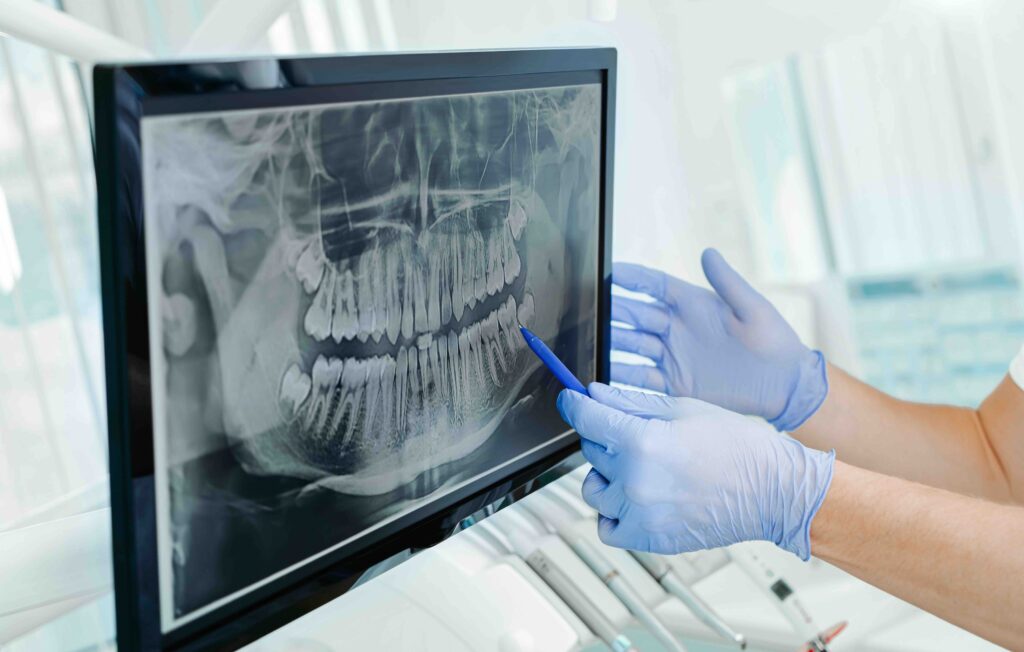
That is why the conversation around implants should not stay trapped in technical language. Precision matters, of course. So do radiographs, torque values, tissue biotype, occlusion, and maintenance protocols. Yet these details are in service of something bigger. They serve a person trying to move through the day with less discomfort, less self-consciousness, and more confidence.
When implants are indicated, carefully placed, and maintained well, they do more than fill a space. They help restore function, preserve structure, and reduce the constant adaptations that missing teeth impose. For many patients, that is the real measure of success. Not just a repaired smile, but a life that feels easier, fuller, and more like their own again.
Oaks Dental
5000 Parkway Calabasas Suite 308
Calabasas, CA 91302, United States
+1 818-431-2000
FAQ About Dental Implants
What is the downside of a dental implant?
Implants require surgery and a healing period that can last several months. Possible complications include infection, nerve or sinus injury, damage to nearby teeth and failure to bond with bone. Your dentist should assess your health, bone support and alternatives before recommending treatment.
What do dental implants typically cost?
There is no single price for every implant case. The number of teeth replaced, implant components, final restoration and any grafting or extractions affect the total. Request a written estimate covering every stage and confirm insurance benefits and out-of-pocket costs with the practice.
How long do tooth implants last?
An implant can provide long-term support and may last a lifetime with good oral hygiene and regular dental care, but this is not guaranteed. The crown or other restoration may need replacement sooner. Smoking, gum disease and some health conditions can reduce implant success.
Ends · EDUARDOFHHW638